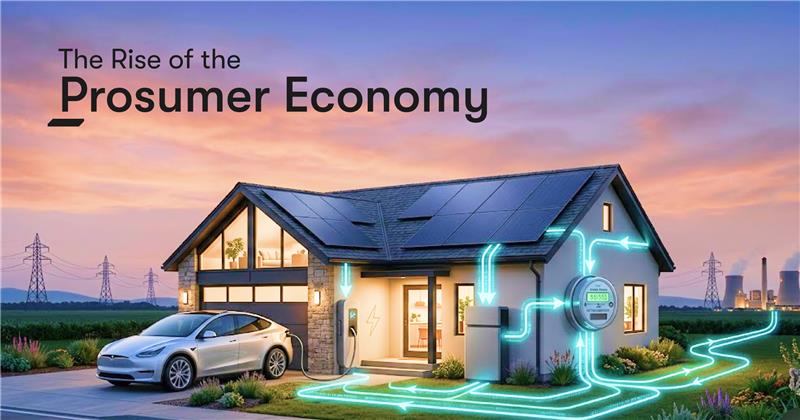
I Own Solar and an EV — Am I a Utility? The Rise of the Prosumer Economy
Published on 31 March 2026




Start saving on your energy bills right now!
Start saving on your energy bills right now!
Be the first one to know everything about smartest ways to save on your energy bills.
Kimbal led a statewide awareness initiative in Himachal Pradesh during Smart Meter Pakhwada (9–23 February 2026), focusing on myth-busting, consumer education, and transparent communication about smart metering benefits such as real-time consumption tracking, billing accuracy, and improved grid reliability.
As India transitions toward a digitally integrated and energy-secure future, smart meters are a critical component of modern power sector reform. Under India’s Advanced Metering Infrastructure (AMI) rollout, smart meters are strengthening digital grid modernisation, improving DISCOM efficiency, and enabling real-time energy monitoring.
Recognising that every technological transition brings consumer questions, Kimbal prioritised structured awareness, transparent communication, and grassroots engagement in Himachal Pradesh to ensure an inclusive and informed smart metering rollout.
Kimbal led a statewide awareness initiative in Himachal Pradesh during Smart Meter Pakhwada (9–23 February 2026), focusing on myth-busting, consumer education, and billing transparency.
The initiative aimed to ensure that residents clearly understood:
To ensure verified information reached households across the state, Kimbal implemented a structured, multi-channel outreach plan.
Each communication piece was designed to simplify technical concepts and answer real consumer questions.
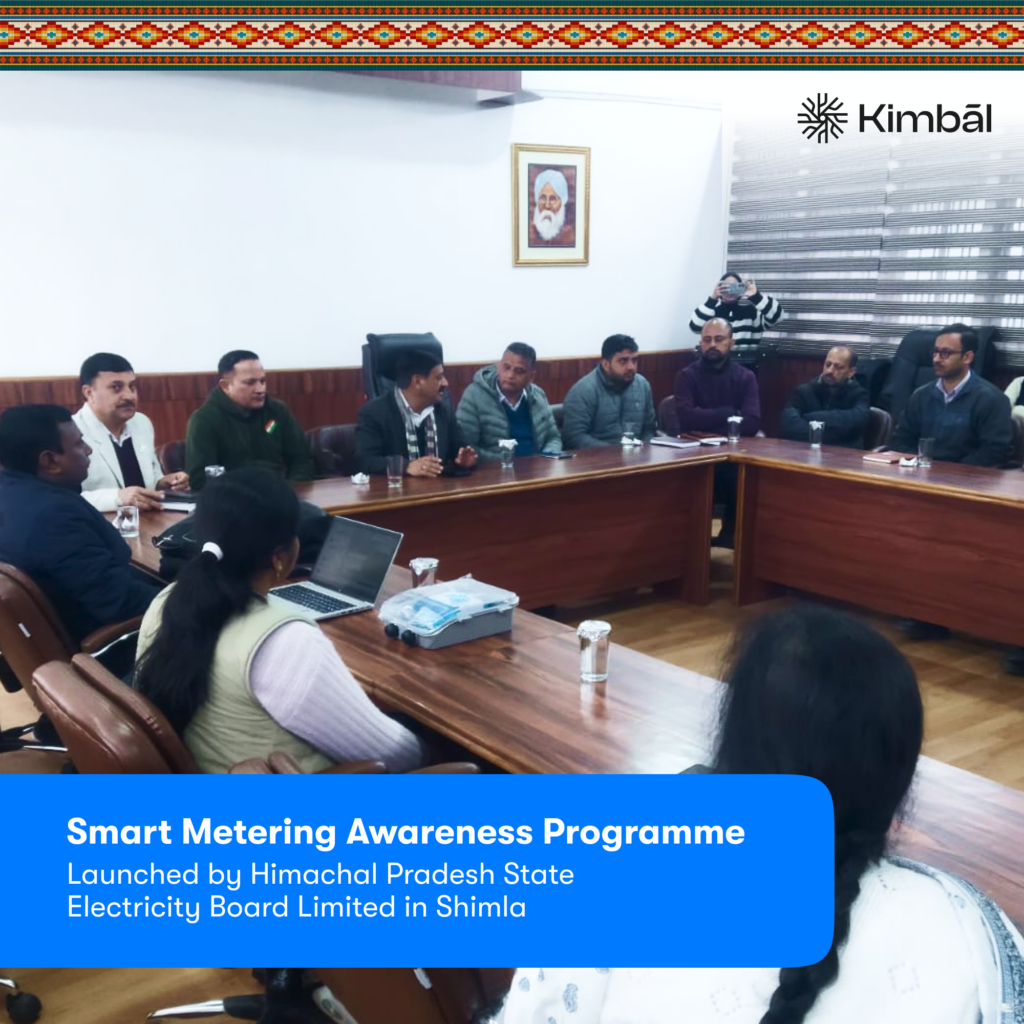
During the nationwide awareness initiative, Kimbal teams conducted:
Rather than imposing technology, the approach focused on consumer empowerment through verified information.
Through structured communication and grassroots engagement, Kimbal addressed key concerns.
Myth: Smart meters run faster and increase bills
Fact: Smart meters digitally record actual electricity consumption. They eliminate manual reading errors and estimated billing but do not change electricity tariffs.
Myth: Smart meters disconnect supply arbitrarily
Fact: Disconnection procedures remain governed by DISCOM regulations and due process. Smart meters do not arbitrarily cut power.
Myth: Billing becomes less transparent
Fact: Smart meters improve billing transparency by providing accurate, time-stamped consumption data.
Myth: Consumers must pay for installation
Fact: In most government-led smart metering programs in India, consumers are not required to pay upfront installation costs.
Replacing speculation with verified information helped restore public confidence.
Smart meters are designed to enhance consumer control and transparency. Key benefits include:
By enabling real-time energy data access, smart meters support both consumer empowerment and systemic energy efficiency.
The Smart Meter Awareness Program in Himachal Pradesh resulted in:
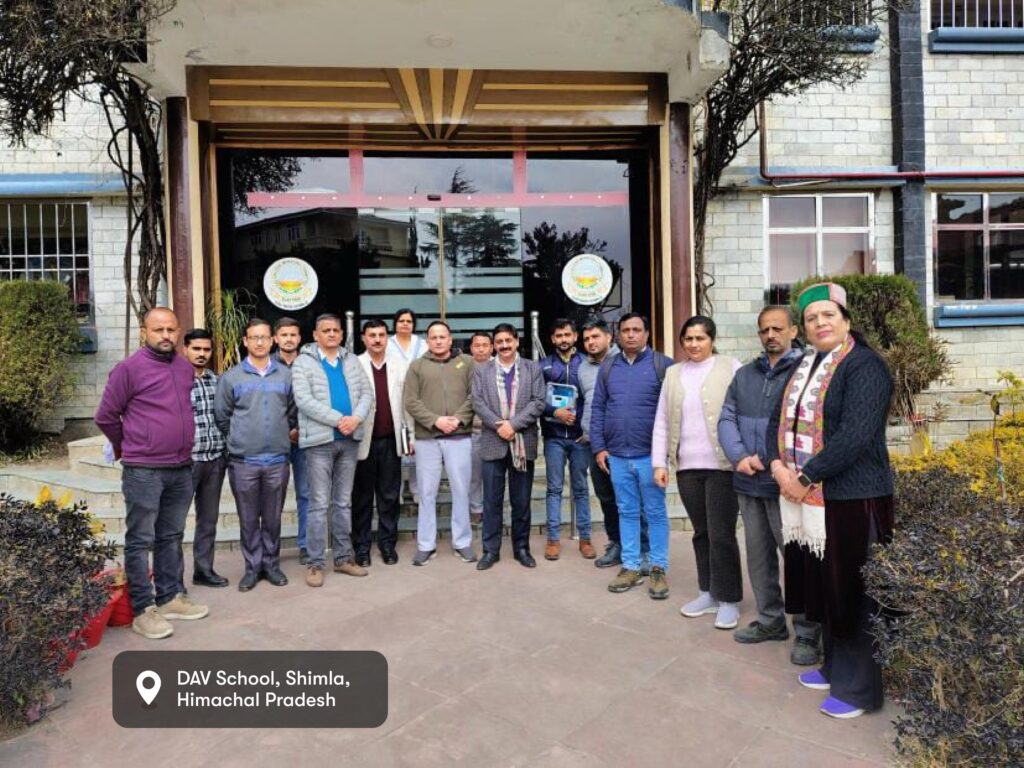
Consumer trust is essential for successful smart meter deployment, especially during early-stage adoption in states like Himachal Pradesh. Through sustained awareness campaigns, community engagement, and proactive myth-busting efforts, Kimbal sought to reaffirm its commitment to responsible energy transformation. The Smart Meter Awareness Program in Himachal Pradesh reflects Kimbal’s belief that informed communities are empowered communities, and that meaningful dialogue is key to enabling a smoother transition toward a modern, digital power ecosystem.
As India moves toward a smarter grid, initiatives like these ensure that no consumer is left behind, and that progress is built on clarity, transparency, and collaboration.
Learn more about Kimbal’s Smart Meter Deployment Initiatives in India.
1. What is Smart Meter Pakhwada?
Smart Meter Pakhwada is a nationwide awareness campaign organized by the Government of India to educate consumers about the benefits of smart metering, including billing transparency and real-time energy monitoring.
2. Do smart meters increase electricity bills?
No. Smart meters record actual electricity consumption in real time. They eliminate estimation errors but do not increase tariffs.
3. Why are smart meters being installed in Himachal Pradesh?
Smart meters are being deployed as part of India’s Advanced Metering Infrastructure (AMI) rollout to improve billing accuracy, reduce manual meter reading errors, and strengthen digital grid modernization.
4. Do smart meters increase electricity bills?
No. Smart meters record actual electricity consumption. They do not change tariffs. However, they eliminate estimated billing, which may make consumption patterns more visible to consumers.
5. Can a smart meter disconnect my electricity remotely?
Smart meters do not arbitrarily disconnect power supply. Disconnection procedures are governed by DISCOM regulations and follow due process.
6. How can I check my electricity consumption using a smart meter?
Consumers can monitor usage through the consumer portal or mobile application provided by the local DISCOM, enabling real-time tracking of daily and monthly consumption.
7. Are smart meters safe?
Yes. Smart meters comply with safety and regulatory standards. They are digitally secured and designed for reliable, long-term operation.
8. Will smart meters work with rooftop solar systems?
Yes. Smart meters support net metering and can measure both electricity consumption and surplus energy exported to the grid.
9. How do smart meters improve billing transparency?
Smart meters provide time-stamped, automated readings, eliminating manual entry errors and ensuring accurate billing cycles.
10. Who should I contact if I have a complaint about my smart meter?
Consumers should contact their local electricity distribution company (DISCOM) through official helpline numbers or the consumer service portal.
11. Are consumers charged for smart meter installation in India?
In most government-led smart metering programs, consumers are not required to pay upfront installation charges.
12. How do smart meters improve billing transparency?
Consumers can track real-time usage, monitor daily consumption, and reduce bill surprises.
Your email address will not be published. Required fields are marked *