

What is Smart Meter Reading? How It Works, Benefits & AMI Explained (2026 Guide)
Published on 11 June 2026




Start saving on your energy bills right now!
Start saving on your energy bills right now!
Be the first one to know everything about smartest ways to save on your energy bills.
India’s power sector is evolving into its new phase of transformation. Increasing electricity demand, growing urban infrastructure, and the push for reliable energy access are reshaping how utilities manage distribution networks across the country.
Smart metering is at the forefront of this change.
Smart meters are transforming electricity billing practices, powering real-time monitoring solutions, enabling grid visibility and empowering utilities with data-backed operations. As India accelerates its digital energy journey, collaboration between stakeholders has never been more critical to deliver successful execution at scale.
Against this backdrop, the Confederation of Indian Industry (CII) hosted the Fourth Edition of the Smart Metering Conference on 6 May 2026 at New Delhi, under the theme “Enabling a Future-Ready Digital Distribution Framework.”
Kimbal participated in the conference as an active contributor to the industry dialogue, with our Chief Business Officer, Gurpreet Oberoi, sharing his experience on “AMISP Roll-Out & Field Execution: Challenges and Solutions.”
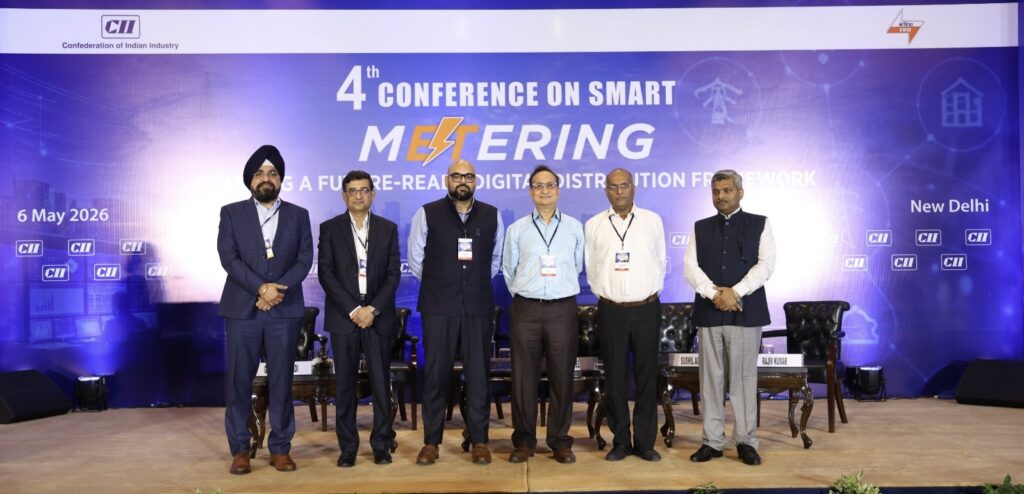
India has made significant progress in smart metering deployment over the last few years. Government-led initiatives such as the Revamped Distribution Sector Scheme (RDSS) and the National Smart Grid Mission (NSGM) continue to accelerate Advanced Metering Infrastructure (AMI) adoption across the country.
Under RDSS, India aims to install 250 million smart meters by March 2028 across consumers, feeders, and distribution transformers. This rollout supports several long-term goals for the sector, including:
The conference reflected the urgency and scale of this transformation. Policymakers, utilities, AMISPs, regulators, technology providers, and energy experts came together to discuss the next phase of implementation and the operational realities that come with it.
During the panel discussion, Gurpreet Oberoi shared insights from on-ground smart metering deployments and highlighted some of the key execution challenges utilities and implementation partners currently face. The discussion focused on practical issues that directly influence rollout success, including:
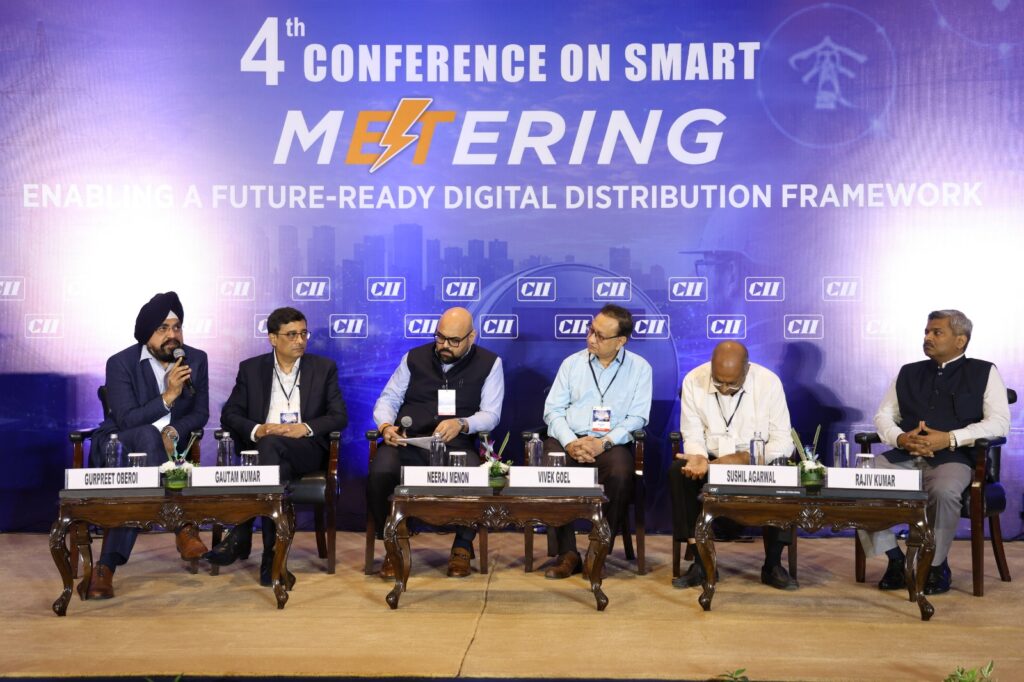
As deployments expand across urban and rural regions, execution quality becomes just as important as deployment speed. Large-scale smart metering programs require strong coordination between utilities, AMISPs, technology providers, and field teams to ensure meters move from installation to successful commissioning without delays. The session also highlighted the importance of building systems that support long-term operational efficiency rather than focusing only on installation numbers.
One of the strongest themes across the conference involved the need for smarter, more connected distribution infrastructure. India already has the manufacturing capability, technical expertise, and financing support required to scale smart metering nationwide. The next stage now depends on faster implementation, stronger collaboration, secure data management, and consumer-focused adoption strategies.
The panel reinforced how digital infrastructure will shape the future of distribution utilities. Real-time analytics, grid intelligence, remote monitoring, and data-driven decision-making will continue to define modern power networks.
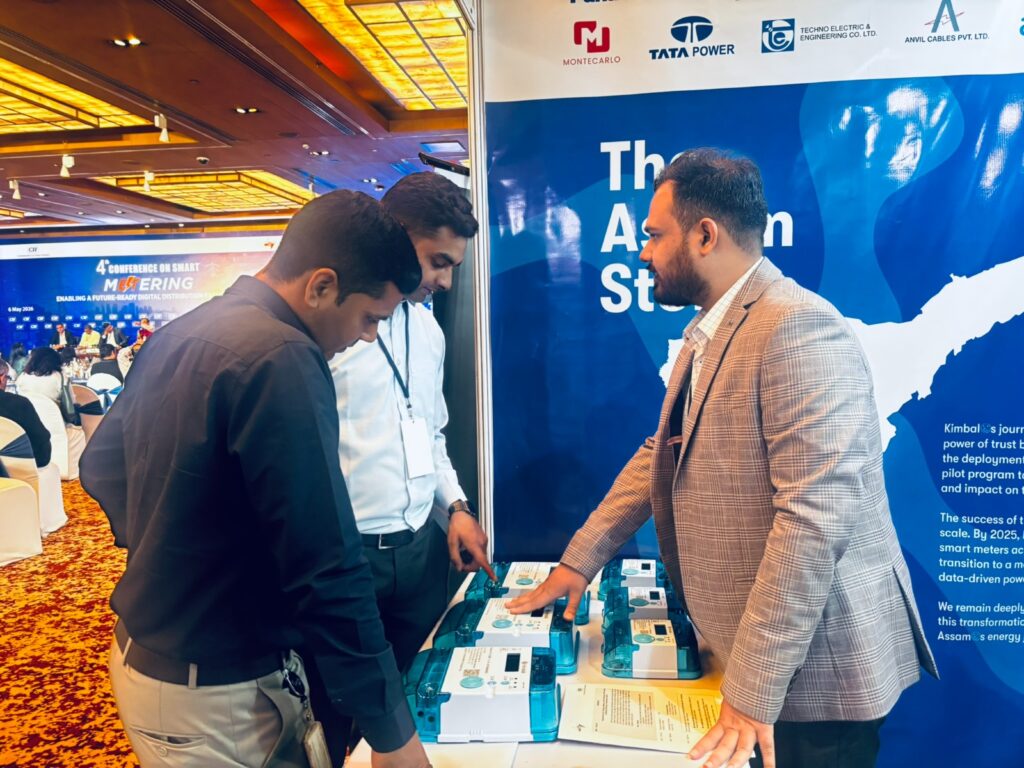
Events such as the CII Smart Metering Conference create an important platform for industry-wide collaboration. Beyond the panel discussions, the conference opened opportunities for meaningful conversations around smart grids, field execution, energy engineering, and future-ready utility operations.
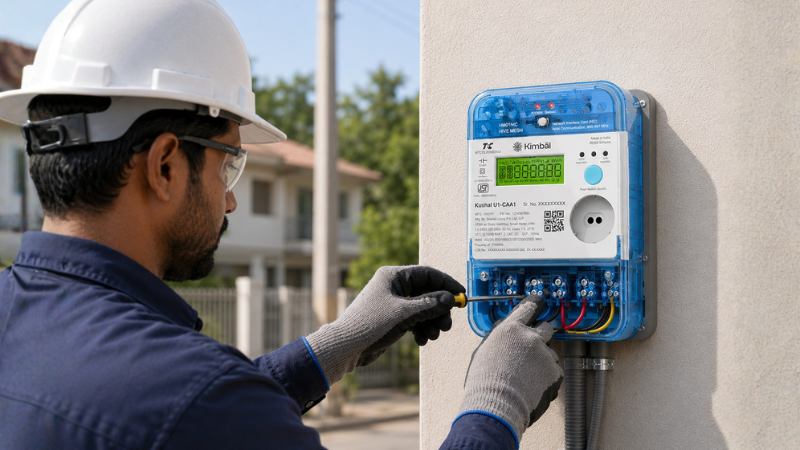
At Kimbal, we continue to focus on building robust, field-ready solutions that support scalable smart metering implementation and stronger distribution infrastructure.
India’s smart metering journey has already reached significant scale, but the next phase will require sharper execution, stronger digital integration, and consistent collaboration across the ecosystem.
As utilities modernise distribution networks and adopt data-driven operations, smart metering will continue to serve as a foundational pillar of India’s evolving power sector.
The discussions at the Fourth Edition of the CII Smart Metering Conference reinforced one clear message: the industry now has the momentum, capability, and intent to accelerate the transition toward a smarter and more resilient energy future.
Why are smart meters important for India’s power sector?
Smart meters help utilities improve billing efficiency, reduce losses, monitor electricity usage in real time, strengthen grid visibility, and support faster operational decision-making.
What is the RDSS smart meter target for India?
Under the Revamped Distribution Sector Scheme (RDSS), India aims to install 250 million smart meters by March 2028 across consumers, feeders, and distribution transformers.
How do smart meters support future-ready power distribution?
Smart meters enable real-time data collection, remote monitoring, outage management, load analysis, and better consumer engagement. These capabilities help utilities build smarter, more efficient, and digitally connected power distribution networks.
What challenges exist in large-scale smart meter deployment in India?
Large-scale smart meter deployment involves challenges such as installation-to-commissioning delays, field coordination, communication network reliability, and operational visibility. Utilities and implementation partners also need to focus on smooth execution, real-time monitoring, and consumer awareness to ensure successful adoption at scale.
Published on 11 June 2026
Published on 10 June 2026
Published on 3 June 2026
Your email address will not be published. Required fields are marked *