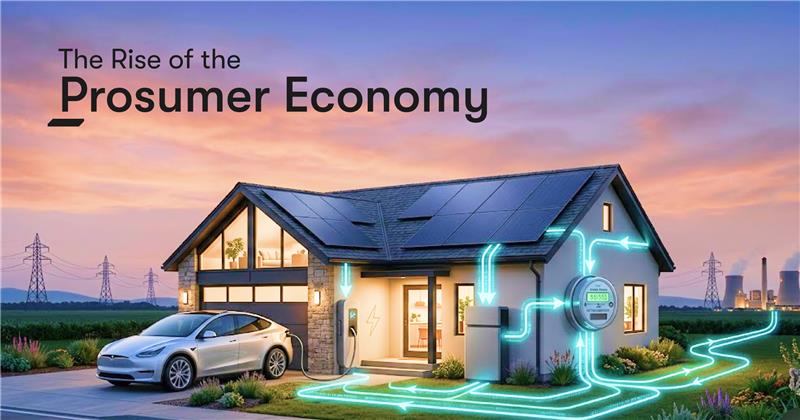
I Own Solar and an EV — Am I a Utility? The Rise of the Prosumer Economy
Published on 31 March 2026




Start saving on your energy bills right now!
Start saving on your energy bills right now!
Be the first one to know everything about smartest ways to save on your energy bills.
The Government of India’s Smart Meter Pakhwada, being observed from 9th to 23rd February 2026, is a nationwide consumer awareness drive aimed at accelerating the adoption and acceptance of smart metering technologies across the country. This coordinated campaign, conducted under the guidance of the Ministry of Power and supported by distribution utilities nationwide, underscores the importance of a digitally empowered power sector.
At Kimbal, we are humbled to actively support this forward-looking initiative, partnering closely with state utilities in Himachal Pradesh and Gujarat to ensure the message of energy transparency, control, and empowerment reaches households and communities across regions.
Smart Meter Pakhwada is a two-week public awareness campaign aimed at helping electricity consumers understand the benefits of smart meters.
During the campaign, utilities and technology partners organize:
The goal is simple: ensure that consumers understand how smart meters work and how they can benefit from them.
Smart meters enable:
By improving awareness and trust, Smart Meter Pakhwada helps accelerate the adoption of smart metering technologies across India.
Smart Meter Pakhwada is closely aligned with the Revamped Distribution Sector Scheme (RDSS) launched by the Government of India.
RDSS aims to modernize India’s electricity distribution infrastructure through large-scale deployment of smart prepaid meters and digital grid technologies.
The broader objectives include:
Millions of smart meters are already being deployed under RDSS, helping India move toward a modern, digitally enabled electricity network.
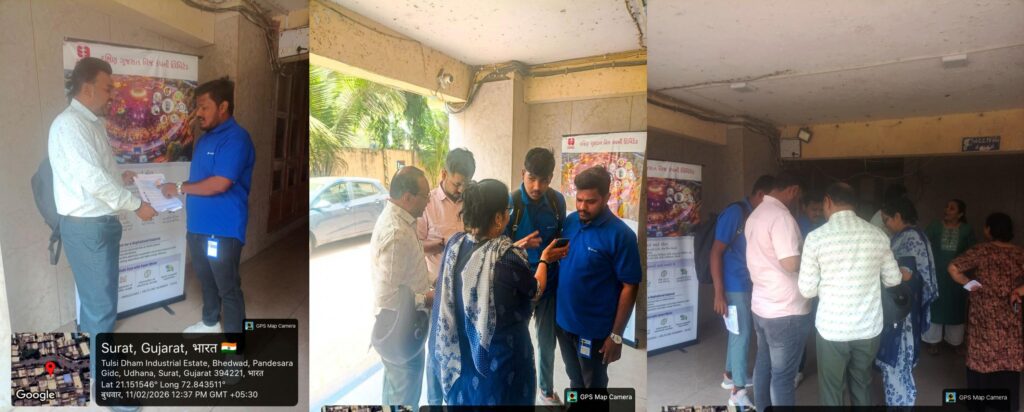
At Kimbal, the campaign translated into direct engagement with communities and consumers.
Working closely with state utilities, Kimbal teams participated in awareness drives across Himachal Pradesh and Gujarat, interacting with households, students, and local communities.
Our on-ground efforts focused on three key areas.
1. Direct Consumer Engagement
Kimbal teams visited residential areas, schools, and community spaces to interact directly with electricity consumers.
These interactions created an opportunity to:
Direct conversations helped build trust and familiarity with the technology.
2. Live Demonstrations of Smart Meter Technology
To make the technology easier to understand, our teams conducted live demonstrations of smart meters.
These demonstrations showed consumers:
Seeing the technology in action helped consumers clearly understand its benefits.
3. Empowering Families with Energy Awareness
A key objective of Smart Meter Pakhwada is consumer empowerment.
Through conversations with families and community members, Kimbal teams explained how smart meters allow households to:
By increasing awareness, consumers gain greater control over their electricity usage and expenses.
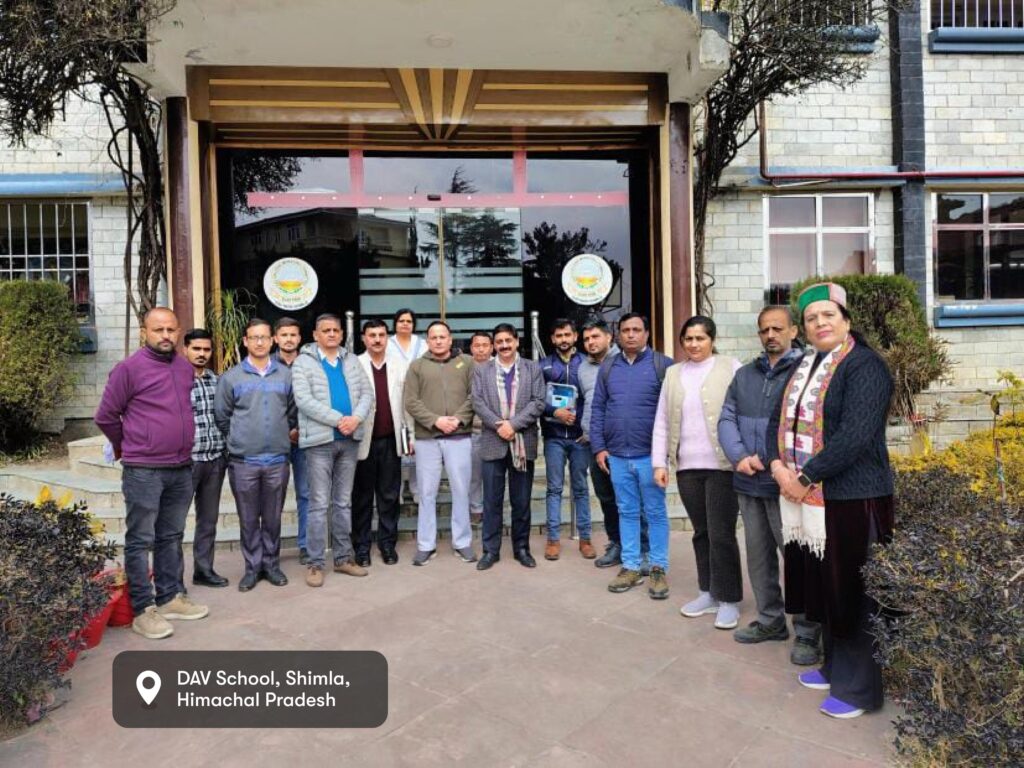
During the campaign, Kimbal participated in several awareness events, including educational outreach at DAV School, Shimla (Himachal Pradesh), where students and community members learned about smart metering and digital energy systems.
These interactions are an important step toward building long-term consumer awareness about modern energy infrastructure.
Smart Meter Pakhwada reflects India’s broader vision of creating a smarter, more efficient, and consumer-centric power sector.
As smart meter deployments continue to scale under RDSS, consumers will increasingly benefit from:
Technology alone cannot drive this transition — consumer awareness and engagement are equally important.
That is why initiatives like Smart Meter Pakhwada play a crucial role in bridging the gap between technology and everyday users.
At Kimbal, we remain committed to supporting India’s transition toward a digitally empowered power ecosystem.
Through smart metering technology, advanced connectivity platforms, and continuous consumer engagement, we aim to help utilities build transparent, efficient, and resilient energy networks.
By working closely with utilities, communities, and policymakers, we are proud to contribute to initiatives like Smart Meter Pakhwada that bring the benefits of modern energy infrastructure directly to consumers.
Founded in 2011, Kimbal Private Limited is spearheading a smarter, cleaner energy future, transforming global energy distribution through innovative smart metering, RF-based massive connectivity, cloud platforms, and advanced energy management systems. The company tackles the rapidly evolving energy landscape by empowering utilities worldwide to modernize, scale, and future-proof power networks with unparalleled reliability and agility. Operating in a high-speed, boundary-pushing environment, Kimbal innovates and delivers solutions swiftly to meet urgent market demands. Its vision is to create resilient, affordable, and adaptable grids that excel in complex energy ecosystems while driving bold progress toward carbon neutrality and sustainability.
To learn more about Kimbal’s journey and purpose, read our story here.
What is a smart electricity meter?
A smart electricity meter, often simply called a smart meter, is a digital meter that automatically records how much electricity a home or building is using. Unlike traditional electrical energy meters, which require manual meter reading, smart meters send usage data securely to the electricity utility through a communication network. This makes billing more accurate and gives utilities and consumers better visibility into energy consumption. Click here to view Kimbal’s smart meter range.
How is smart meter reading different from traditional meter reading?
With traditional meters, electricity consumption is recorded manually by a meter reader who visits each property. Smart meter reading, on the other hand, happens automatically. A smart meter sends electricity usage data remotely through an AMI meter (Advanced Metering Infrastructure) system. This reduces human error, ensures more transparent billing, and allows utilities to track energy usage more efficiently.
What is an AMI meter and why is it important?
An AMI meter is part of a larger Advanced Metering Infrastructure system that connects smart meters with communication networks and data platforms. In simple terms, it allows electricity usage data to move from the meter to the utility in a secure and automated way. Behind the scenes, systems like a Meter Data Management System (MDMS) help utilities process this data, improve billing, and better manage the electricity network.
How do smart meters support a smart grid?
A smart grid is a modern electricity network that uses digital technology to monitor and manage power more efficiently. Smart meters play an important role in this system because they provide real-time information about electricity consumption. This helps utilities respond faster to outages, manage demand more effectively, and operate a more reliable and efficient power network.
What are pre-payment meters?
Pre-payment meters, also known as prepaid smart meters, allow consumers to pay for electricity in advance — similar to recharging a mobile phone. Consumers can track how much electricity they are using and how much balance remains. This gives households better control over their electricity spending and helps avoid unexpected bills.
How is the RDSS scheme helping expand smart meters in India?
The Government of India launched the Revamped Distribution Sector Scheme (RDSS) to modernize the country’s electricity distribution infrastructure. One of its key goals is the large-scale rollout of smart electricity meters across India. These meters help improve billing efficiency, reduce power losses, and make the relationship between utilities and consumers more transparent.
Are smart meters in India built according to specific standards?
Yes. Smart meters deployed in India are designed to follow national standards such as IS 16444, which defines the technical and functional requirements for smart metering systems. These standards ensure that smart meters are reliable, secure, and capable of working smoothly within the country’s evolving smart grid infrastructure.
What role does Kimbal play in India’s smart metering ecosystem?
Kimbal plays an active role in supporting the deployment and adoption of smart meters across India. As a smart meter manufacturer in India, Kimbal works closely with electricity utilities to provide advanced metering solutions, communication infrastructure, and digital platforms that help modernize power distribution. Through technologies such as AMI meters (Advanced Metering Infrastructure) and integrated data platforms like a Meter Data Management System, Kimbal helps utilities monitor electricity consumption more efficiently and deliver transparent, accurate billing to consumers.
Beyond technology deployment, Kimbal also supports consumer awareness initiatives such as Smart Meter Pakhwada, where teams engage directly with communities to explain how smart electricity meters work and how they empower households with better control over their energy usage.
By combining advanced metering technology with on-ground engagement, Kimbal is trying to building a more digital, transparent, and reliable smart grid ecosystem in India.
Your email address will not be published. Required fields are marked *