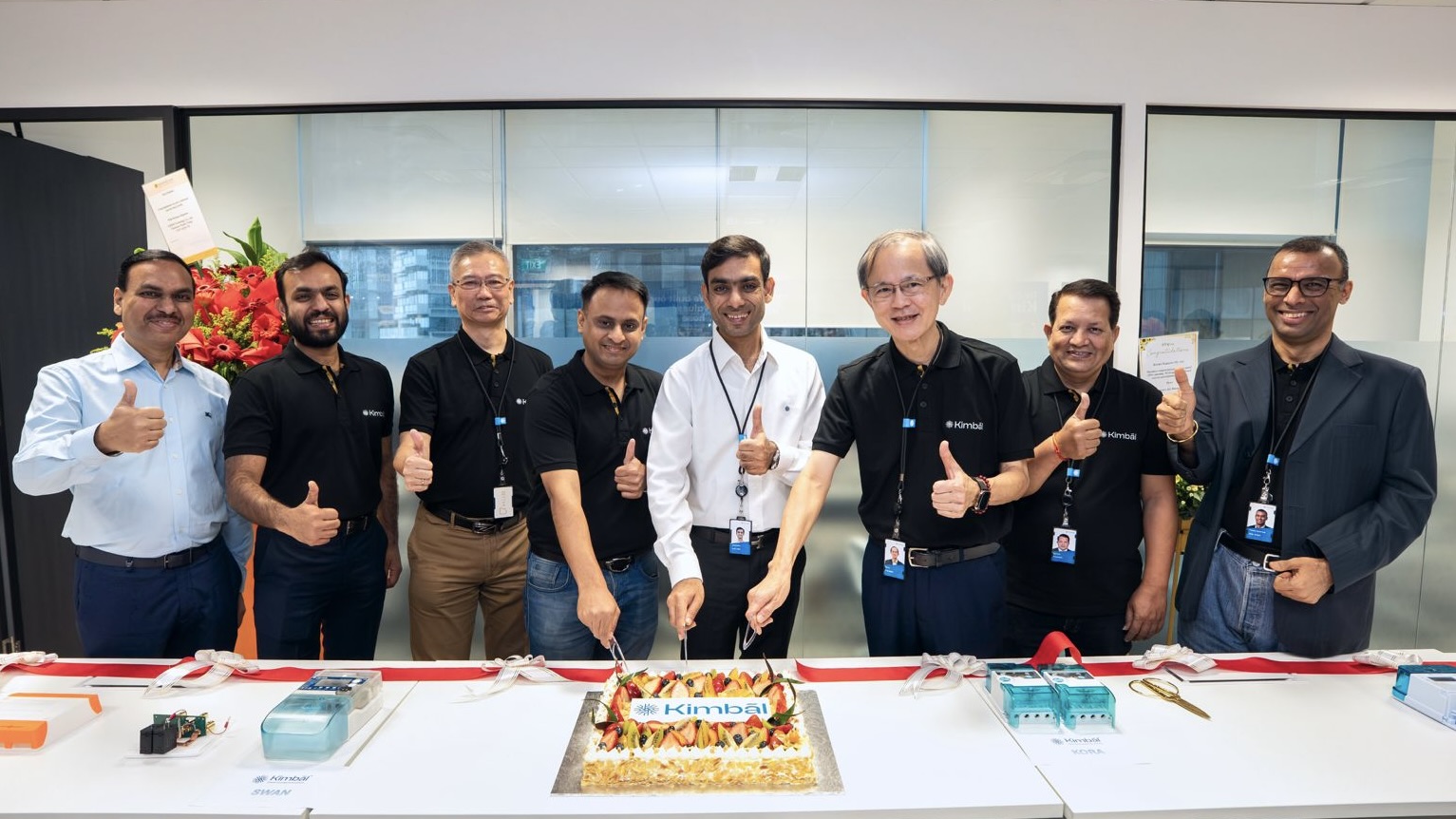
Kimbal expands global presence with new office in Singapore
Published on 25 May 2026




Start saving on your energy bills right now!
Start saving on your energy bills right now!
Be the first one to know everything about smartest ways to save on your energy bills.
India’s electricity sector is rapidly evolving with the rollout of smart meter India initiatives under the RDSS smart meter scheme. This blog explains what a smart electricity meter is, how a prepaid smart meter works, and why DISCOMs are adopting them across the country. We’ll also cover key smart meter benefits such as real-time usage tracking, accurate billing, better control over electricity expenses, and how smart meters help reduce power losses and improve the overall electricity network.
If you’ve recently received a notice from your DISCOM about the installation of a smart meter or seen news about India’s power sector reform, you’re probably wondering what this is all about and whether it affects you. Let’s walk through it together.
A smart meter is an advanced electricity meter that automatically measures and records your energy consumption and securely sends this data to your electricity provider in real time or at regular intervals.
Unlike traditional meters, it doesn’t require manual meter readings and often comes with an app or display that lets you track your usage, giving you better visibility and control over your electricity consumption.
Think of it as finally being able to “see” your electricity usage, instead of getting a shock when the bill arrives.
Out of planned 22 crore+ consumer meters, 6 crore+ smart meters have been installed so far. The average Aggregate Technical and Commercial (AT&C) losses were 15% as per the data released by the Ministry of Power in 2025.
India loses a staggering amount of electricity between generation and actual consumption, through old infrastructure, technical losses, and yes, theft too. Smart meters are a critical tool to fix that. But to really understand the full picture, we need to know about RDSS.
The Revamped Distribution Sector Scheme (RDSS) is an initiative by the Government of India aimed at improving the performance of electricity distribution companies (DISCOMs) and ensuring reliable, affordable power for consumers.
Announced in 2021, RDSS is a reforms-based and results-linked scheme that offers financial support to DISCOMs for upgrading their infrastructure, reducing losses, and adopting modern technologies like smart meters.
The scheme focuses on:
RDSS has a total financial outlay of over ₹3 lakh crore, making it one of the largest schemes introduced by the government to reform power distribution in India.
Learn more about Smart Metering in Rural India: Challenges and Opportunities
Here’s the part that directly affects your daily life. A smart meter puts you in control of your electricity usage and spending.
Instead of waiting for a monthly bill, you can track your consumption in real time through an app or display, so you always know how much electricity you’re using and what it’s costing you. A smart meter has the following advantages for end-consumers:
AT&C (Aggregate Technical & Commercial) losses are defined as the difference between the amount of electricity that is supplied by the utilities and the amount of electricity that is billed.
This happens due to:
Because these losses don’t just affect utilities, they affect end-users directly:
Reducing AT&C losses helps create a more efficient, reliable, and affordable power system for everyone. When electricity is lost or unpaid for, the system becomes expensive and inefficient.
India has historically struggled with revenue collection, not just from theft, but from delayed payments and billing disputes. Prepaid meters solve this by shifting to advance payment, improving DISCOM cash flow, and reducing the need for costly disconnection-reconnection cycles.
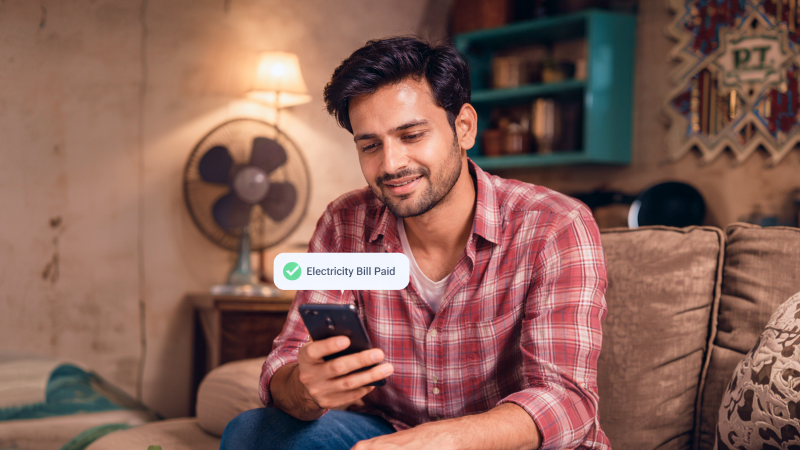
For consumers, it also makes bill payments simpler and more convenient, you can recharge your electricity just like you recharge your phone, anytime and from anywhere, putting you in control of your usage and spending.
If a smart meter has been or is being installed at your home, here’s what you should know: installation is free of cost to you. Once installed, download your DISCOM’s app or website and link your meter, this is how you’ll recharge and track usage. Keep your registered mobile number updated. And if you face any billing issue, file a complaint through your State Electricity Regulatory Commission (SERC) portal, each state has one.
Smart meters are the step in the right direction, they represent a genuine and much-needed modernization of India’s electricity infrastructure. For consumers, the prepaid model is an adjustment, but the transparency it brings is real. You will finally know what you’re consuming and pay only for that.
1. How do I recharge my smart meter?
Recharging your smart meter works a lot like topping up a mobile number. Here are the most common ways:
Your meter balance is updated within a few minutes of payment. You’ll typically get an SMS alert on your registered mobile number confirming the recharge.
2. How do I contact my DISCOM for queries or complaints?
You can reach your electricity distribution company (DISCOM) through multiple easy channels:
3. Will I be charged for the smart meter installation?
No. Smart meter installation under RDSS is completely free for consumers. The cost is borne by the DISCOM (funded partly through RDSS grants from the central government).
If anyone, even someone claiming to be from your DISCOM, asks you to pay for installation, do not pay. Report the incident by calling your DISCOM’s helpline. Demand to see official ID and credentials before allowing the installers into your home.
4. How do smart meters work?
Smart meters automatically measure electricity consumption and securely transmit usage data to the electricity provider at regular intervals. Unlike traditional meters, they do not require manual meter readings and often allow consumers to track their electricity usage, balance, and recharge details through mobile apps or online portals.
5. What are the benefits of smart meters for consumers?
Smart meters give consumers better visibility and control over their electricity usage. They help reduce billing errors, enable real-time tracking through mobile apps, support faster complaint resolution, and make electricity usage more transparent. Consumers can also monitor their spending more effectively and avoid unexpected bills.
6. How is RDSS modernising India’s power sector?
The Revamped Distribution Sector Scheme (RDSS) is helping modernise India’s electricity distribution network by supporting smart meter deployment, reducing AT&C losses, upgrading infrastructure, and improving DISCOM efficiency. The goal is to create a more reliable, transparent, and financially sustainable power system across the country.
7. What is the difference between a traditional meter and a smart meter?
Traditional electricity meters require manual readings and only show total consumption. Smart meters automatically send usage data to DISCOMs in real time or at regular intervals, enabling accurate billing, remote monitoring, prepaid recharge options, and better tracking of electricity consumption through apps or portals.
8. What are the major challenges in India’s electricity distribution system?
India’s electricity distribution system faces challenges such as power theft, outdated infrastructure, billing inefficiencies, high AT&C losses, delayed payments, and unreliable supply in some regions. Smart metering and grid modernization initiatives are being introduced to address these issues and improve overall efficiency.
9. What is the future of smart metering in India?
Smart metering is expected to play a major role in the future of India’s power sector. With large-scale deployment under RDSS, smart meters will help improve billing accuracy, support digital energy management, enable better demand forecasting, and strengthen India’s transition toward a smarter and more efficient electricity network.
Your email address will not be published. Required fields are marked *