
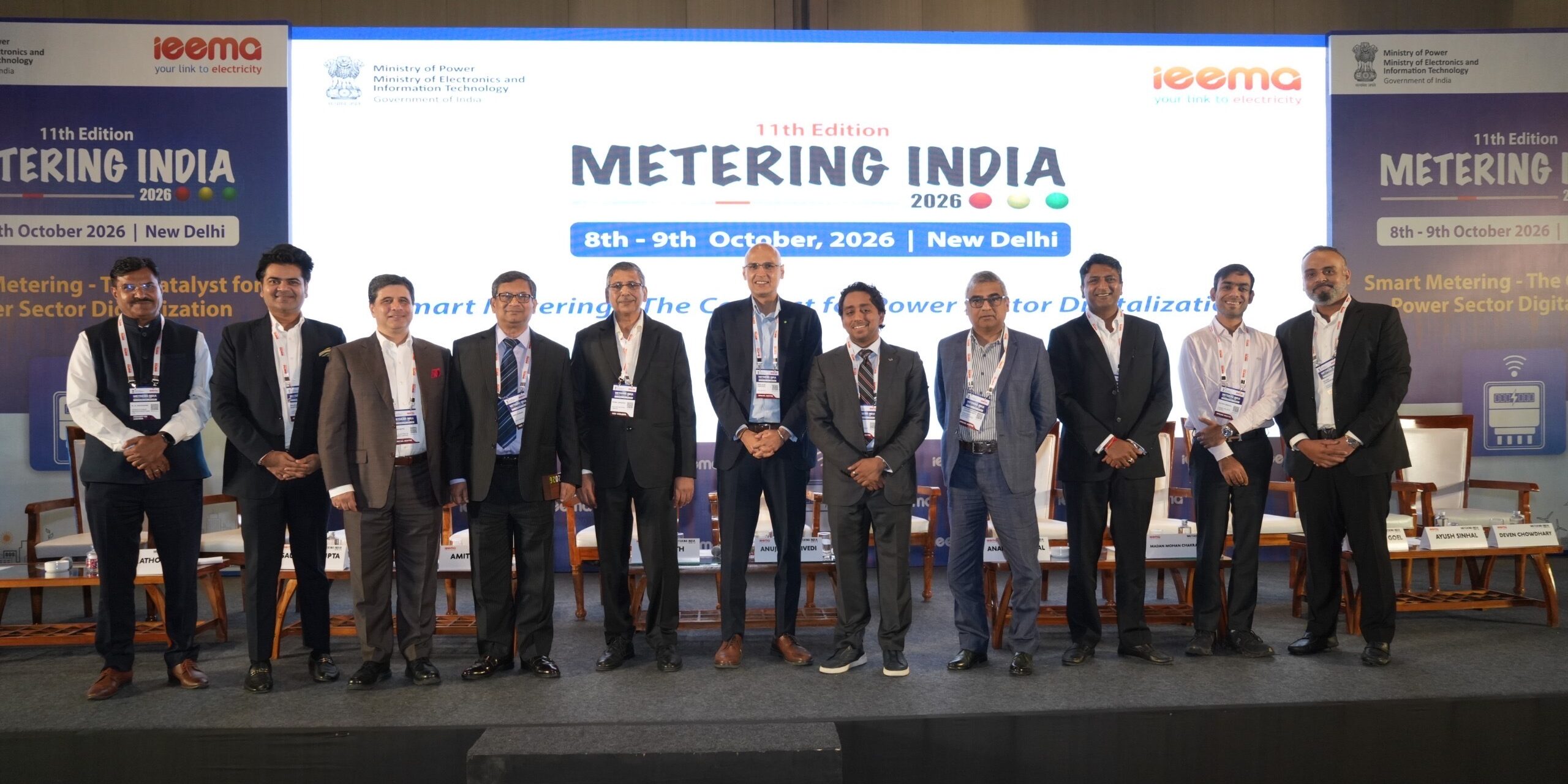
Kimbal Participates in Metering India 2026, Highlighting the Need to Strengthen India’s Smart Metering Ecosystem
Published on 13 October 2026




During his tenure as India’s Minister of Power, Coal, and New and Renewable Energy from May 2014 to September 2017, Piyush Goyal frequently stated that, “Electricity can transform people’s lives, not just economically but also socially”. This viewpoint was a core theme of his messaging and has been observed in publications such as The Guardian.
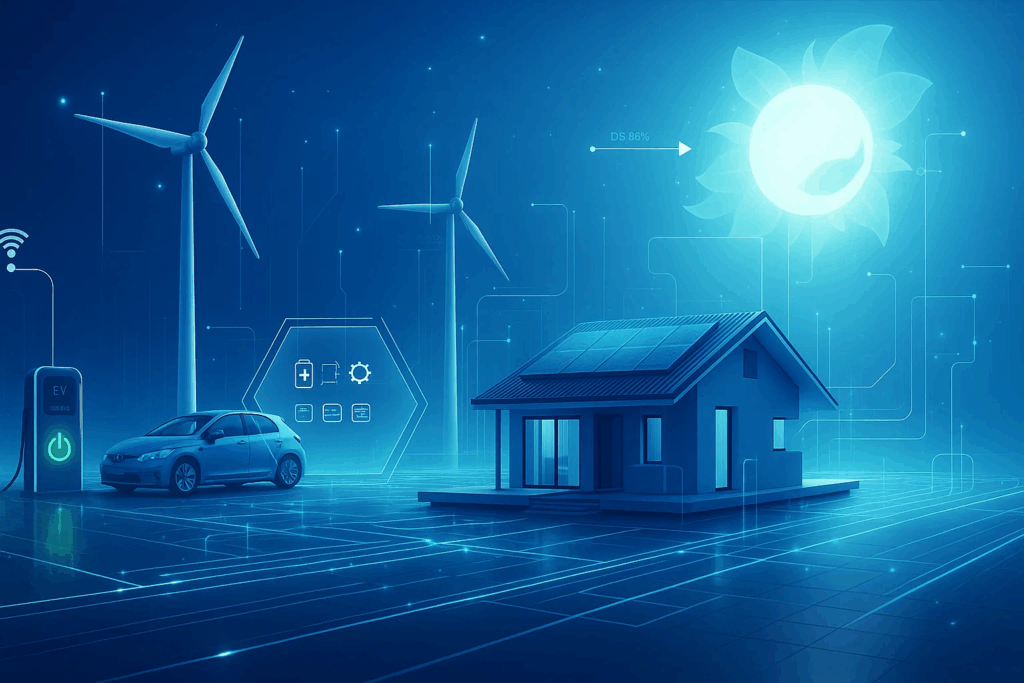
In today’s rapidly evolving world, electricity serves as more than just a utility; it is the foundation of contemporary economies and communities. However, in spite of its significance, our understanding of how and where we use it remains restricted. What is the actual amount of energy we consume, and when does it reach its maximum? The responses to these inquiries are essential as demand continues to increase. India’s maximum electricity demand is expected to hit 446 GW by FY35, an increase from 244 GW in FY25, indicating that the existing grid infrastructure cannot adequately support future expansion.
Meeting tomorrow’s demand is not just about keeping the lights on. It’s about sustaining economies, powering industries, and supporting the lives of billions. As nations move towards electrification, renewable energy integration, and net-zero commitments, the grid must evolve from a carrier of electricity to an intelligent ecosystem. This evolution takes shape in Advanced Metering Infrastructure 2.0 (AMI 2.0) – the next wave of energy intelligence. By turning hidden consumption into actionable insights, AMI 2.0 strengthens modern economies while opening up new possibilities to not just survive but thrive in a smarter energy future.
At the turn of the new millennium, electricity systems all over the globe were under pressure. More people were moving into cities, and the developing world was industrialising, leading to the emergence of a new middle class, who were buying more appliances than ever before. All these factors together caused electricity consumption to skyrocket from 7,000 TerraWatt-Hours (TWh) in the 80s to nearly 14,000 TWh in the 2000s, an unprecedented rise in demand. With this demand rise, the old method of inspectors going from household to household was becoming more financially unsustainable.
Aggregate Technical and Commercial (AT&C) losses were piling up, and in India had reached 25-30%; this, along with electricity theft, put the utilities under tremendous financial distress. Now, it was clear that changes needed to be made.
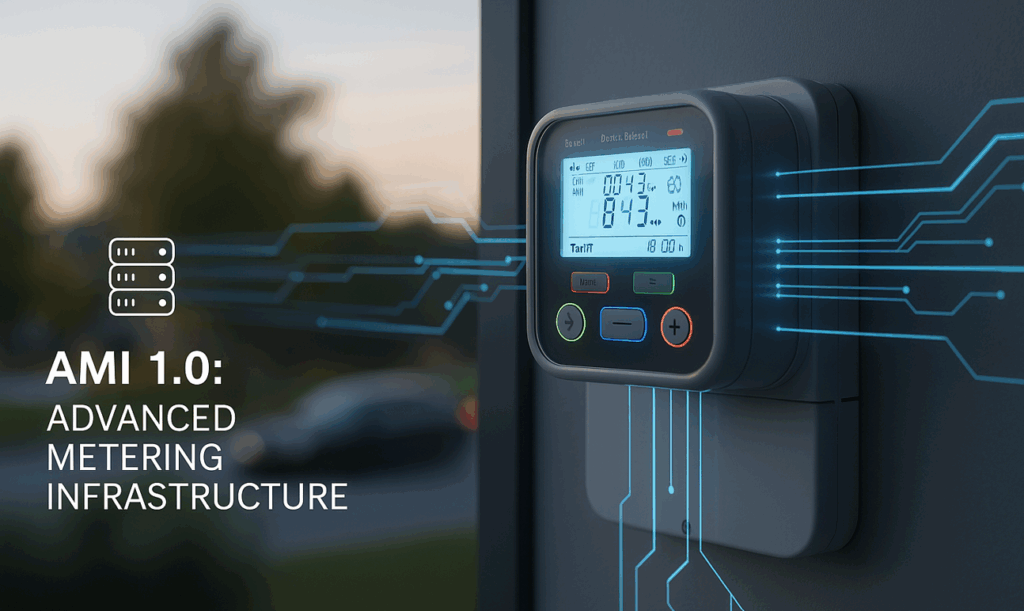
Utilities globally began installing the first Advanced Metering Infrastructure (AMI) meters between 2000 and 2010, which is now often referred to as the “first wave”. For a sector that relied on electromechanical meters and inspectors going door-to-door, AMI 1.0 was a game-changer, transitioning from manual and rudimentary meters to a robust two-way communication solution. This was made possible by advances in technology, including smart meters, RF-Mesh, and Head-End System (HES).
Between 2001 and 2006, Enel completed the initial rollout of its first-generation smart meter, “Telegestore”, which was implemented in more than 32 million consumers’ homes. Because of its concerted effort, Italy became the first nation to implement AMI on such a large scale, creating blueprints for other nations and utilities to follow.
As per IoT Analytics, North America has the most mature smart meter market, with nearly 77% penetration. The Asia Pacific (APAC) region comes in second, accounting for nearly 60% of global smart meter installations. In 2021, the Indian government set an ambitious goal of installing 250 million smart meters under the Revamped Distribution Sector Scheme (RDSS). The scheme is not only to financially support smart meter deployment and maintenance but also to expand domestic manufacturing capacity to produce smart meters within India. India is on track to become the largest smart meter market in the world in terms of annual shipments and revenue by 2030.
Today, the utilities are forging ahead with the momentum gathered from AMI 1.0 and shifting towards AMI 2.0, the next generation of AMI.
Discover how Kimbal supported the successful rollout of AMI 1.0 across India.
There is an ongoing evolution in the smart grid, and it is no better defined than AMI 2.0, designed to integrate with the existing grid infrastructure and upgrade it to handle the energy demands of tomorrow. AMI 1.0 played a pivotal role in modernising utility infrastructure, improving billing efficiency, and bringing transparency to energy consumption. AMI 2.0 will build on this by ensuring continuous, bidirectional data flow and introducing load disaggregation. This core technological difference allows for the active, real-time management of electricity, a stark contrast to the post-facto measurement of AMI 1.0.
The timing of this change is critical. Grids around the world face a monumental challenge, dealing with mass adoption of electric vehicles (EVs), expansion of data centres, and the rise of a prosumer-driven economy. Utilities are now faced with a new set of complications to deal with: rapid growth of EV charging stations, rooftop solar installations, and renewable energy integration. Real-time grid balancing becomes a prerequisite to ensure a stable, resilient power grid.
AI is reshaping energy demands, and tech companies around the world are investing in data centres to train their AI models. As per Goldman Sachs, the global power consumption from data centres is expected to rise by 165% by 2030.
EV sales have been increasing rapidly and are expected to reach 17 million by 2025, i.e., one in every five vehicles sold would be electric. The International Energy Agency (IEA) foresees a sixfold increase in the public EV charging infrastructure by 2035, highlighting the importance of smart grid solutions that can accommodate these changes.
AMI 2.0 addresses these challenges by providing real-time insights, which allow utilities to disaggregate energy loads and analyse consumer behaviour to optimise grid management. Also, AMI 2.0, with its flexible and scalable design, is future-ready for any new challenges that crop up. AMI 2.0 integrates seamlessly with distributed energy resources (DERs), demand response platforms, and other components of the next-generation smart grid.
Kimbal, as a leader in smart metering solutions, is committed to helping utilities unlock these capabilities, supporting the transition to clean and green energy by enabling smarter, more sustainable energy use. AMI 2.0 is not just about managing today’s energy needs; it’s about building the intelligent grid of tomorrow, where efficiency, sustainability, and resilience go hand-in-hand.
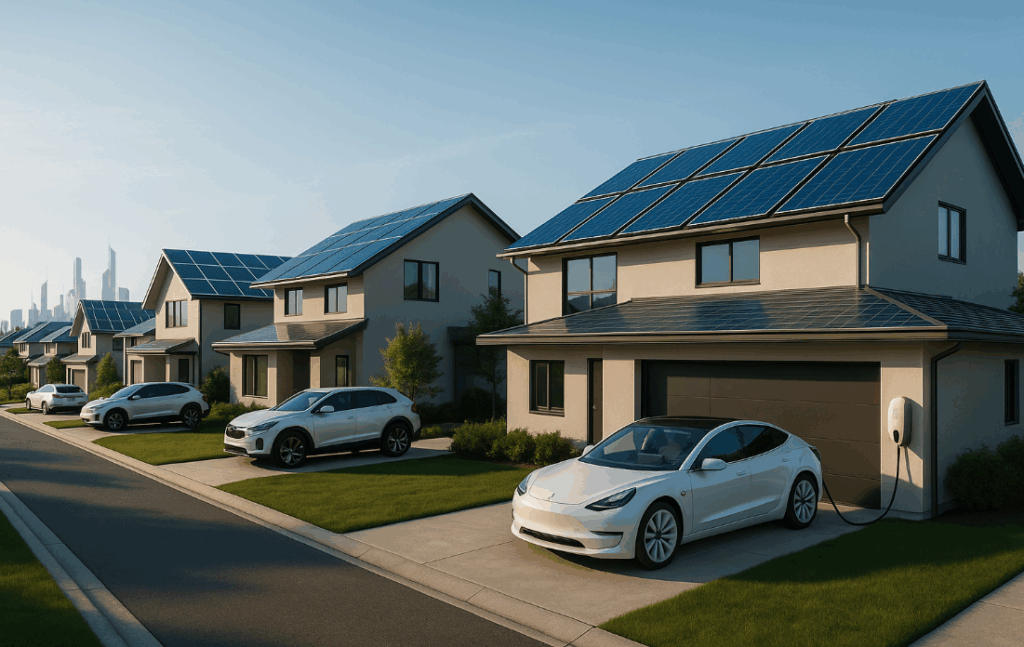
By building on AMI 1.0, AMI 2.0 introduces enhanced firmware, memory, and communication technologies, like RF Mesh networks, allowing utilities to seamlessly deploy new features as demand grows. With the imminent increase in electric vehicle (EV) adoption, renewable energy integration, and distributed energy resources (DERs), AMI 2.0 enables utilities to scale their grid infrastructure without major disruptions.
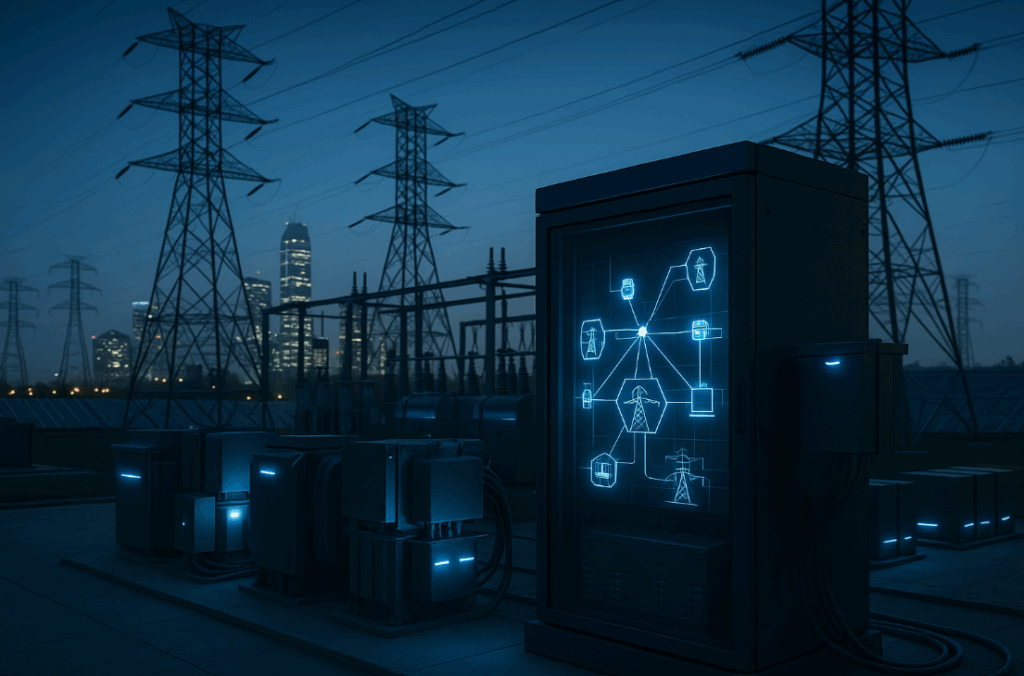
Energy fluctuations are particularly common during storms and seasonal shifts in populations. Therefore, utilities need to have access to real-time data to improve grid reliability. AMI 2.0 provides the granular, real-time insights, enabling utilities to manage fluctuations more effectively. With this information, AMI 2.0 empowers utilities to see how meters are spread across the grid’s phases, making it easier to detect imbalances and optimise field crew deployment.
AMI 2.0 meters monitor voltages more frequently than their predecessors, supporting better grid management during times of stress on the grid. As per this Deloitte article, frequent measurement of voltage points by AMI 2.0 meters enables utilities to have a holistic picture of the situation, allowing them to make proactive, data-driven decisions to enhance grid stability. This increased control is essential as utilities face the dual challenges of renewable integration and growing demand.
AMI 2.0 allows consumers to gain real-time visibility into their energy use with the help of Wi-Fi-enabled smart meters, which consumers can pair with smartphone apps to track usage, set energy thresholds, and prepay for electricity. For example, Salt River Project in Arizona allows 1.2 million consumers to manage their bills and make smarter energy decisions, giving them greater control over their energy consumption and budgeting.
AMI 2.0 through Non-Intrusive Load Monitoring (NILM) identifies appliances which are faulty or inefficient by analysing their unique electricity signature. With this knowledge, it becomes easier for consumers to pinpoint high-energy consumption devices, adjust and avoid peak load charges, helping decrease electricity consumption and ensure savings.
AMI 2.0 meters allow consumers with distributed energy resources (DERs) like solar panels, electric vehicles (EVs), or home batteries, to sell electricity back to the grid. AMI 2.0 also provides real-time information on their energy production and storage, which helps consumers better decide when to store, sell, or use their energy. This integration helps consumers make more efficient decisions about their energy use and maximise savings through net metering and managing home energy systems.

Ever thought about where all your electricity is going each month? Instead of just looking at one large number on your bill, imagine you could check exactly which of your devices is using the most power. This is possible with Non-Intrusive Load Monitoring (NILM), one of AMI 2.0’s most transformative features. But what exactly is NILM? Developed by MIT’s George W. Hart, Ed Kern, and Fred Schweppe in the early 1980s, NILM analyses fluctuations in voltage and current to determine which appliances are operating in a home, without the need for individual sensors on each device. This technology allows for the isolation of energy use at the appliance level, enabling a far more detailed understanding of how electricity is consumed. At Kimbal, we believe Non-Intrusive Load Monitoring (NILM) is one of the most innovative features of AMI 2.0, and we are building the future of energy intelligence around it.
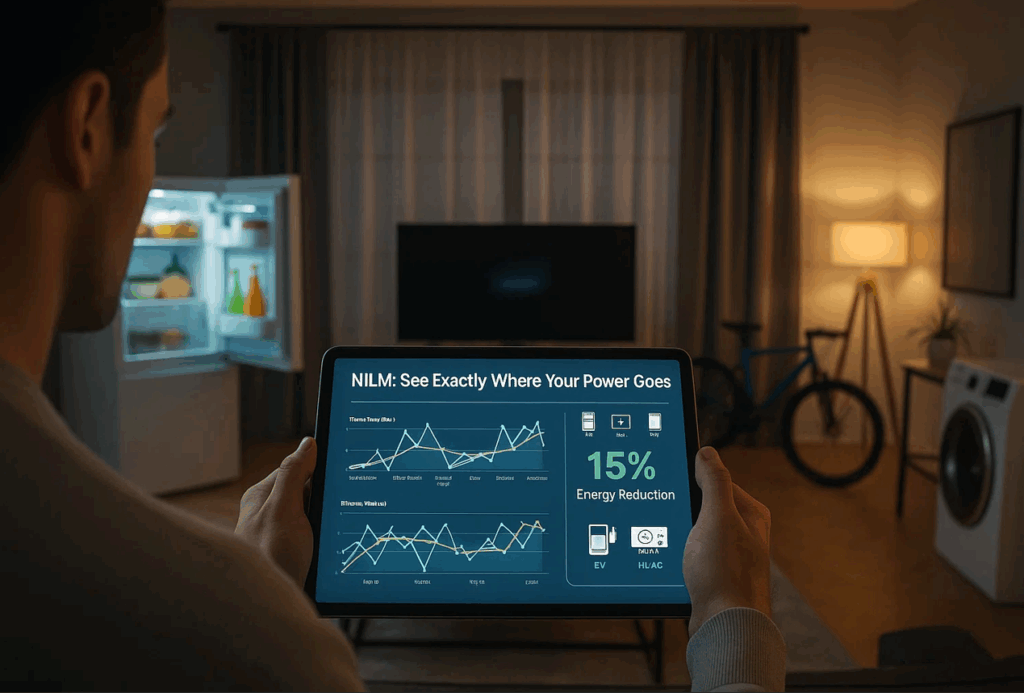
Though the knowledge of NILM has existed since the 80s, it is today’s advances in AI and machine learning that have made it dependable, accurate, and actionable. Today, smart meters that integrate NILM can analyse the unique “electricity signature” of each appliance, showing both utilities and consumers how much energy is used, and when it’s being consumed.
This level of insight is revolutionary. Consumers can access detailed, real-time data about their energy consumption, down to the individual appliance level. For example, when paired with a smartphone app, NILM gives users access to both current and historical consumption data, enabling them to optimise their energy use and make smarter, more informed decisions about when and how to use electricity.
The impact is tangible. According to ScienceDirect, real-time feedback through NILM can lead to energy reductions of up to 15% by providing users with the tools to understand and control their consumption patterns more effectively. This goes beyond just saving money; it’s about empowering consumers to take control of their carbon footprints and make choices that contribute to a more sustainable energy future.
Electricity is no longer a utility that operates in the background. With NILM providing the intelligence and AMI 2.0 delivering the grid infrastructure, energy consumption is becoming something we can actively manage. The result? More sustainable energy use, lower costs, safer homes, and more informed decisions.
With AMI 2.0, the energy landscape will evolve into one that is more visible, controllable, and intelligent. Businesses will improve operational efficiency, consumers will be empowered to manage their electricity consumption more efficiently, and the grid will be more effective in dealing with growing energy demands, EVs, and renewable integration.
The shift is already underway. People are more conscious of their carbon footprints and the impact that their energy choices have than ever before. We at Kimbal believe, that when given the tools and data, consumers will make better-informed decisions; they will act, and those actions will drive change. AMI 2.0 is the enabler of this transformation, making conscious energy utilisation not just possible, but the new standard for sustainable living.
Find out how Kimbal is leading the way in smart energy solutions for a sustainable future. Visit Kimbal for more information.
Learn more about how Kimbal is making accessible ‘Efficient Energy Everywhere.’
Kushal Smart Meters
Vaani: A Head-End System built on open architecture
ImGATI: In-meter Gateway Addressing Transfer of Information
Network Interface Cards
Kimbal has deployed more than 8 million smart meters—complete with RF-mesh communication modules and a flexible architecture Head-End System—while sustaining 99 % SLA. A further 12 million-plus integrated AMI endpoints are now being rolled out in support of India’s flagship Revamped Distribution Sector Scheme (RDSS).
Published on 13 October 2026

Published on 7 October 2026
Published on 6 October 2026
Your email address will not be published. Required fields are marked *