
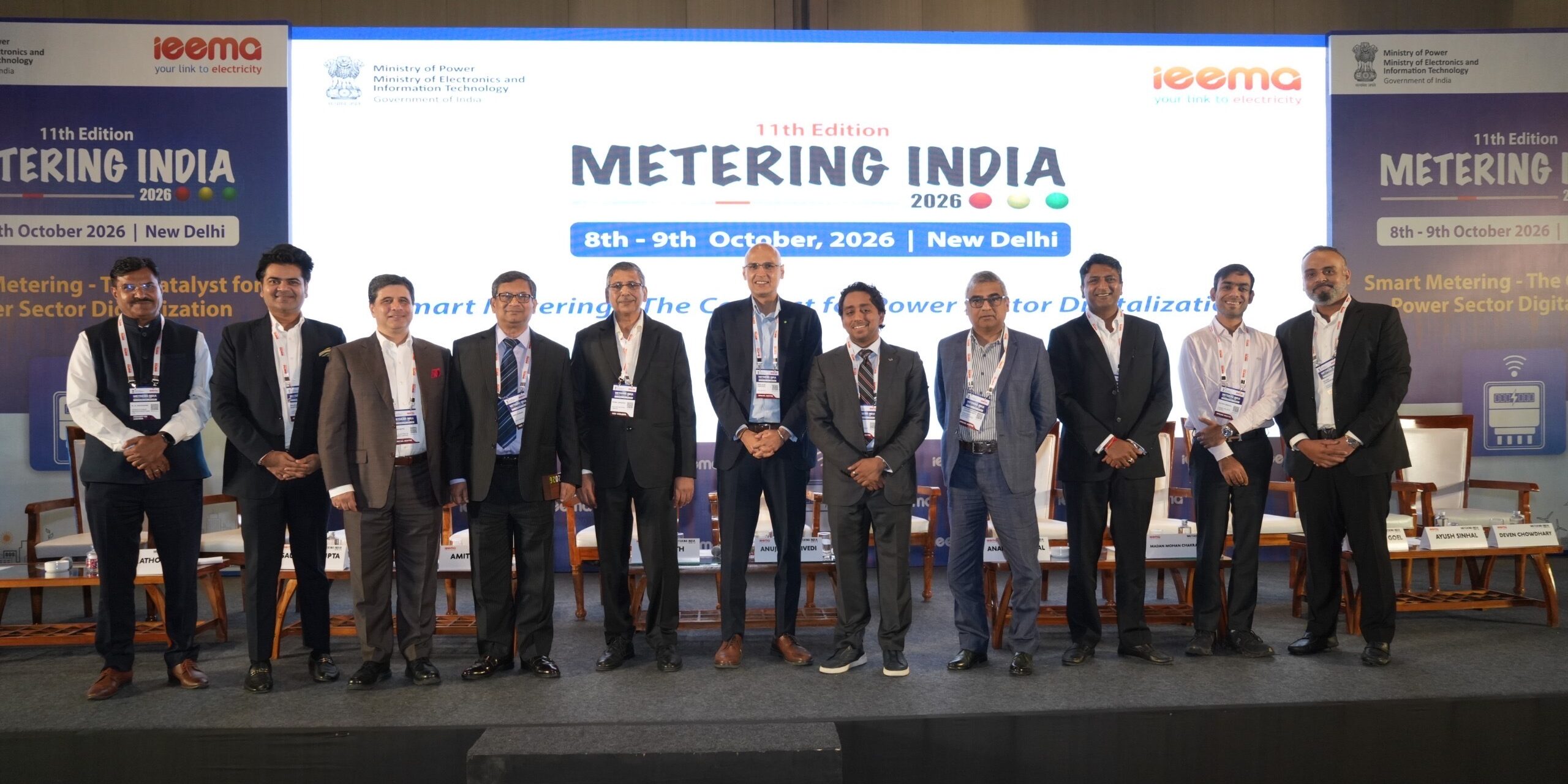
Kimbal Participates in Metering India 2026, Highlighting the Need to Strengthen India’s Smart Metering Ecosystem
Published on 13 October 2026




India’s electricity sector is evolving to become more integrated and intelligent. With the large-scale deployment of smart metering infrastructure (SMI) underway across India, utilities are shifting their attention from rolling out meters to constructing systems that deliver scale-ready visibility, operational efficiency and grid resilience.
In the May edition of Electrical & Power Info (EPI) Magazine, Kimbal’s Chief Business Officer, Gurpreet Oberoi shares his views on what’s next for Advanced Metering Infrastructure (AMI) in India. In this interview, he talks about the realities of driving massive AMI deployments over vast geographical regions, the operational hurdles that lie behind scaling smart meter installations and Kimbal’s longer-term vision to power intelligent and resilient infrastructure.
Gurpreet also reflects on Kimbal’s journey from its initial smart grid pilot project to deploying over 12.5 million AMI endpoints nationwide today, while outlining the company’s focus on Grid Intelligence at the Edge, power quality ecosystems, and energy management systems.
Q. Kimbal is playing a key role in India’s smart energy transition. How do you see smart metering and AMI transforming the future of power distribution?
Smart metering and AMI are increasingly becoming the foundation of how power distribution will operate going forward. In India, this shift is particularly important as the grid becomes more dynamic with renewables, EVs, and evolving consumption patterns.
What we’re seeing on the ground is a clear move from limited visibility to real-time intelligence. With large-scale deployments, utilities are beginning to operate with a much superior learning curve and control whether it’s managing outages, reducing losses, or improving billing accuracy.
Equally important is the consumer side. Transparent, near real-time data is helping build trust and encouraging more responsible energy usage. At Kimbal, we see AMI not just as infrastructure, but as an enabler of a more intelligent and resilient grid, one that is ready for the next phase of India’s energy transition.
Q. With deployments of millions of smart meters across India, what have been the biggest challenges in scaling such large infrastructure projects?
Scaling AMI at this level is as much about execution as it is about technology, and that’s something you appreciate only when you’re in the middle of it.
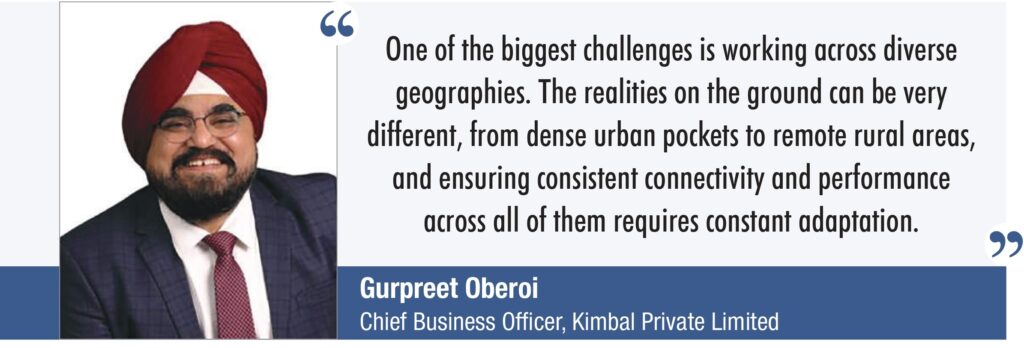
One of the biggest challenges is working across diverse geographies. The realities on the ground can be very different, from dense urban pockets to remote rural areas, and ensuring consistent connectivity and performance across all of them requires constant adaptation.
Then comes system integration at scale and the operational aspects, which often don’t get talked about enough.
Manufacturing, logistics, installation, and field support all have to stay tightly aligned. As we’ve scaled beyond 12.5 million meters, maintaining that coordination and quality consistently has been the key focus, alongside on-ground factors like consumer acceptance, political sensitivity, and continuous training of field teams.
In many ways, the challenge is not just about scaling up. It’s about doing it in a way that remains reliable, consistent, and trusted over time.
Q. What is your long-term vision for Kimbal as India moves towards digitalized and intelligent energy infrastructure?
Over time, we see ourselves moving beyond equipment to becoming an end-to-end energy engineering partner, helping build smarter and more resilient energy infrastructure. As India’s energy infrastructure becomes more complex, we see ourselves as the bridge between traditional utility operations and a future-ready, intelligent energy ecosystem.
To realize this, we are focusing on pioneering Grid Intelligence at the Edge, Power Quality ecosystem, Energy Management and Usage Optimization systems, and scalable manufacturing excellence.
Q. What has been the most defining moment in your journey while building Kimbal into a fast-growing energy-tech organization?
We started in a modest setup in Mundka with a small team, focused on building reliable metering products. One of our early milestones was the smart grid pilot with APDCL, where we deployed around 14,000 meters. That experience grounded us in real-world challenges and shaped how we approached scale. Today, with over 12.5 million AMI endpoints deployed and 30 large scale deployments ongoing, we’ve grown our presence across the length and breadth of the country.
So, rather than a single moment, it’s this journey from an early pilot to national scale under RDSS, and now expanding across regions and geographies, that has been most defining.
And in many ways, we still see this as the early phase of what we’re building.
As India’s grid modernizes, utilities are coming to depend more and more on real-time visibility, smarter grid technology and scalable digital infrastructure solutions to meet rising demand and shifting consumption patterns. However creating these systems means that utilities must also have reliable execution capabilities, operational agility, and a multi-year infrastructure mindset every step of the way.
Kimbal is focused on empowering utilities with engineering-led solutions that allow them to deliver reliable operations, smarter energy use and future proof power grids.
Published on 13 October 2026
Published on 7 October 2026
Published on 6 October 2026
Your email address will not be published. Required fields are marked *