
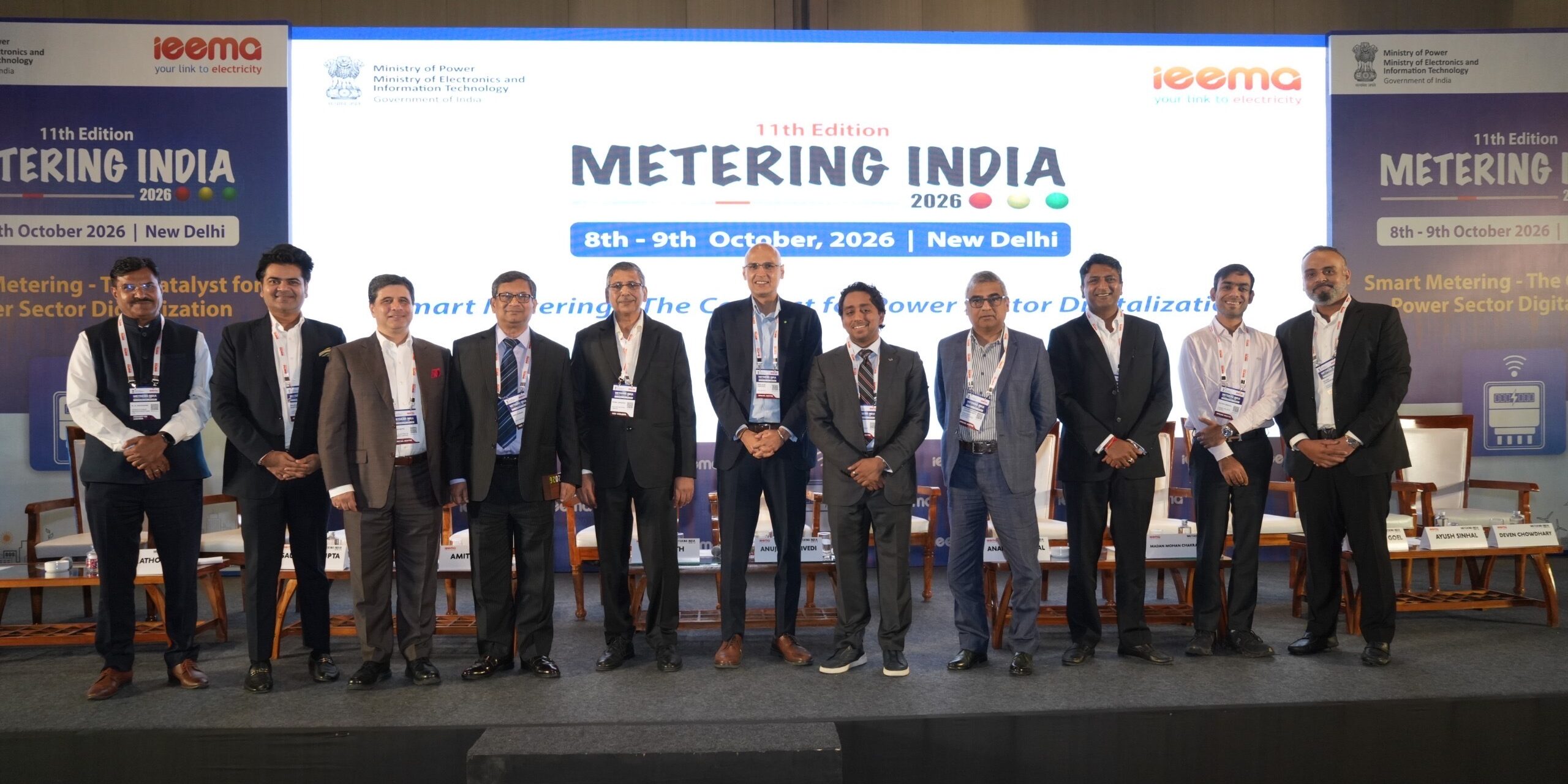
Kimbal Participates in Metering India 2026, Highlighting the Need to Strengthen India’s Smart Metering Ecosystem
Published on 13 October 2026




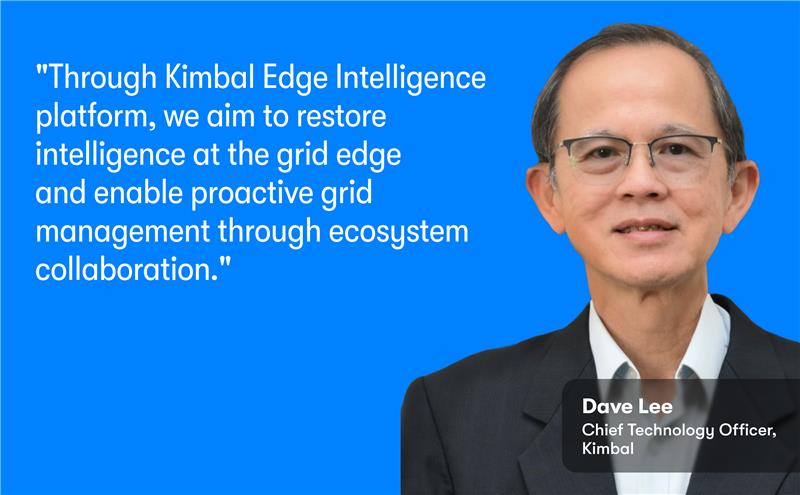
As India accelerates its transition toward smarter, more resilient power systems, intelligence at the grid edge is becoming just as critical as generation capacity itself. Advanced Metering Infrastructure (AMI), communication networks, and analytics are no longer standalone technologies, they are the backbone of modern, future-ready distribution grids.
In this interview, Dave Lee, Chief Technology Officer at Kimbal, shares how Kimbal is rethinking grid intelligence through a fully distributed architecture, proprietary RF-mesh communication, and a focus on lead indicators that identify risks before they impact the network. He discusses the realities of deploying AMI at scale in India, the limitations of conventional cellular-based approaches, and how edge intelligence will shape the next phase of utility transformation.
Kimbal offers an integrated Advanced Metering Infrastructure (AMI) solution that includes smart meters, RF-Mesh communication, Head-End Systems (HES), and consumer mobile apps. Among these components, which do you consider most critical to India’s energy distribution modernization — and why?
AMI delivers value only when all its components work in unison; the strength of the system is defined by its weakest link. India is a critical arena for the energy transition due to its scale. That scale makes it difficult for technologies vulnerable to cyber or physical threats to deliver sustainable value. This is why Kimbal has adopted a fully distributed mesh-based architecture. With symmetrical data speeds in both directions, this approach enhances resilience across the energy grid.
To mitigate risks arising from geopolitical dependencies and potential technology blockades, Kimbal invested in developing its own world-class RF mesh communication technology IP. This ownership is essential to build reliable and trustworthy edge intelligence, enabling India’s grid to support emerging demands such as electric transportation and energy-intensive artificial intelligence data centres.
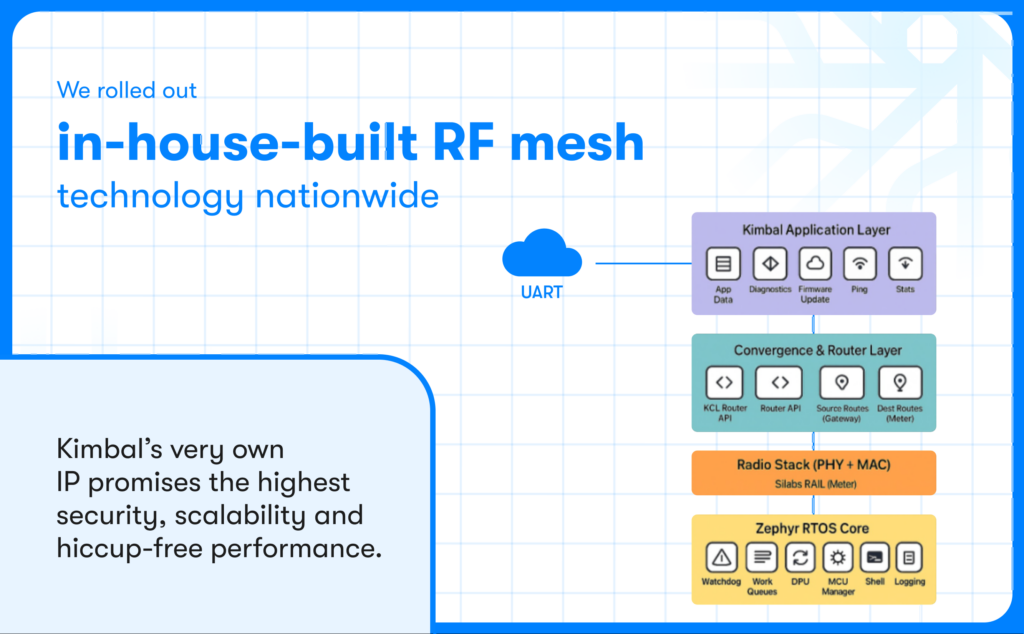
What are the next big innovations or product lines that Kimbal is planning — AI-enabled analytics, distributed energy resources integration, IoT-based energy management, or something else?
The complexity increases with the growing presence of behind-the-meter residential storage that acts in synchrony under certain conditions. Through Kimbal Edge Intelligence platform, we aim to restore intelligence at the grid edge and enable proactive grid management through ecosystem collaboration. Analytics is fundamentally a lag indicator, explaining outcomes after events occur. Kimbal’s focus is on developing lead indicators that can identify emerging risks before they affect the grid.
What challenges have you faced in deploying AMI solutions across different states / union territories in India — technical, regulatory, supply-chain or adoption-related? How is Kimbal overcoming them?
It is useful to view these challenges through a broader global lens. When stakeholder objectives differ or technology lifecycles are mismatched, challenges pop up automatically.
One of such common challenges is the over-reliance on cellular communication technologies. These are primarily consumer-driven, with product lifecycles of two to four years, while utilities require infrastructure that can reliably operate for ten to fifteen years. Machine-to-machine and IoT capabilities are often secondary considerations, and SIM cards typically have limited lifespans. Replacing tens of millions of modems at such intervals is neither practical nor economical.
Kimbal chose a more sustainable path by developing a robust RF mesh solution for which we remain fully accountable throughout its service life, while supporting cellular connectivity where appropriate. We evaluate and deploy technologies based on their suitability for scale, service life, and operational resilience.
Published on 13 October 2026

Published on 7 October 2026
Published on 6 October 2026
Your email address will not be published. Required fields are marked *