
Kimbal Participates in Metering India 2026, Highlighting the Need to Strengthen India’s Smart Metering Ecosystem
Published on 13 October 2026




At the National Conference on Emerging Trends in Smart Grid and Cyber Security, hosted by the Central Power Research Institute in Bengaluru, Kimbal was proud to contribute to discussions on strengthening cybersecurity in India’s evolving smart grid ecosystem. The conference reflected how seriously the industry is approaching grid security and modernisation.
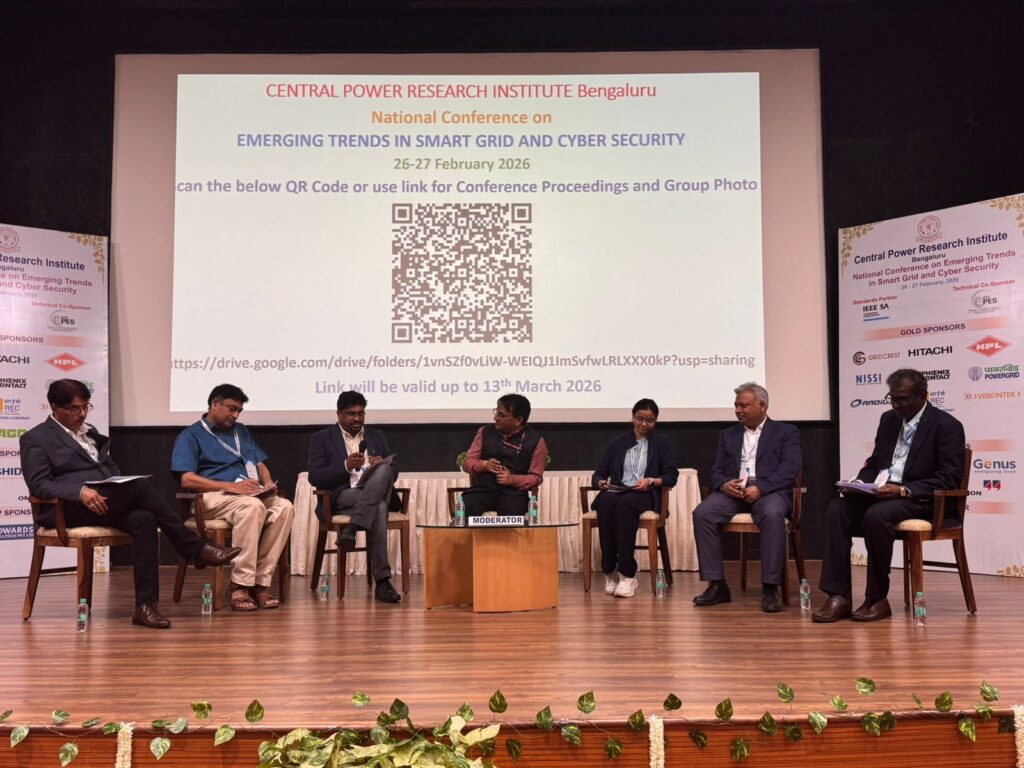
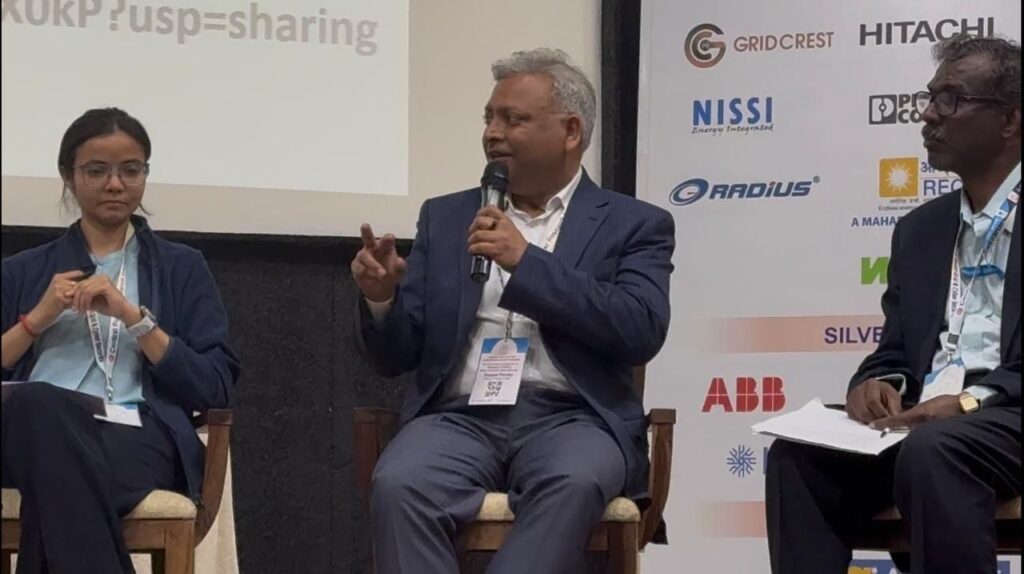
Deepak Pandey, COO at Kimbal, joined the panel discussion on, “Cyber-Physical Attacks: Managing Cyber Risk in Grid Modernisation and Protecting the Convergence of IT and OT”. The session focused on a simple but critical reality — as grids become smarter, they also become more connected, and with connectivity comes risk.
Key highlights from the discussion:
The convergence of Information Technology (IT) and Operational Technology (OT) is transforming how utilities operate. It improves visibility, control, and efficiency. But it also demands stronger cyber resilience, better coordination, and security-by-design thinking from day one.
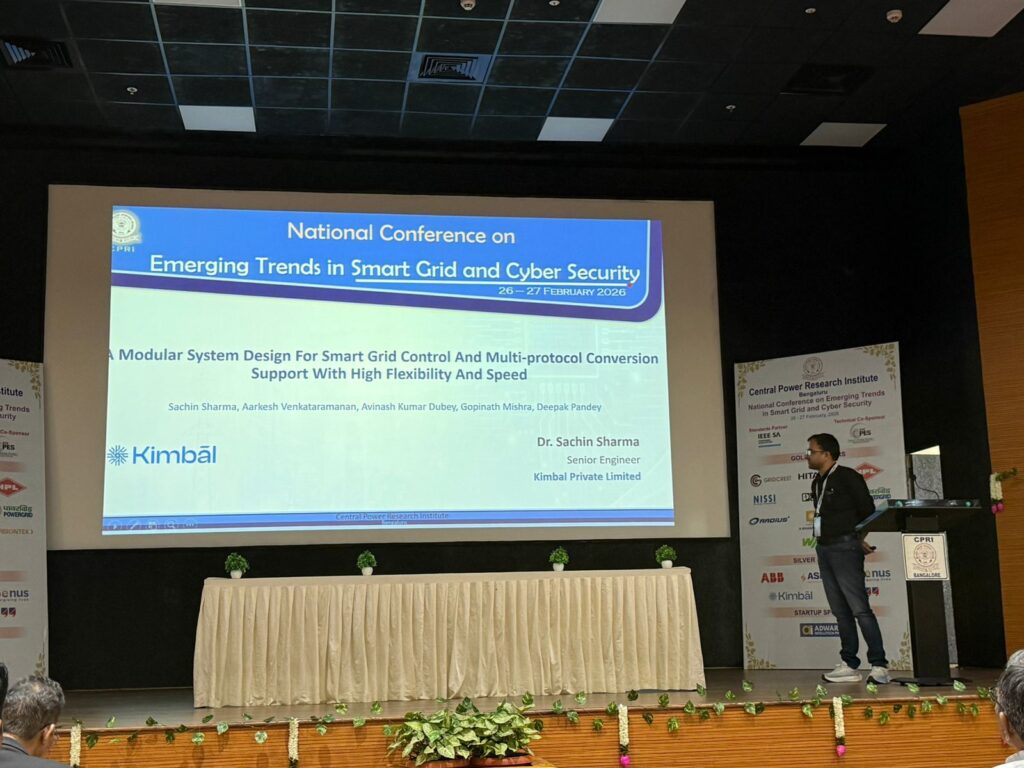
Alongside the panel discussion, Kimbal had a proud academic moment. Our technical paper titled “A Modular System Design for Smart Grid Control and Multi-Protocol Conversion Support with High Flexibility and Speed” was accepted and presented at the conference. The research focuses on building a modular and scalable control architecture that:
This modular system design improves flexibility, communication speed, and interoperability in modern smart grids.
Kimbal is a smart metering and AMI solutions provider in India, focused on building intelligent, interoperable, and secure energy infrastructure. As utilities accelerate digital transformation, the intersection of cybersecurity, interoperability, and scalability becomes foundational to long-term grid stability.
Participation at CPRI’s national conference reflects our continued commitment to:
Grid modernization is not only about deploying smart devices, it is about designing systems that are secure, flexible, and built to evolve.
As India advances toward a more connected and intelligent power ecosystem, Kimbal remains committed to enabling smarter and safer energy systems.
1. What are cyber-physical attacks in smart grids?
Cyber-physical attacks are threats that target both the digital systems (like software and data platforms) and the physical infrastructure (like meters and grid equipment). In a connected grid, a cyber breach can potentially affect real-world power operations, which is why protection needs to cover both IT and OT systems.
2. Why is IT-OT convergence increasing cybersecurity risks?
When operational systems (OT) are connected with IT platforms for monitoring and control, utilities gain better visibility and efficiency. But this connectivity also increases exposure. If not designed securely, a vulnerability in one system can impact the broader network.
3. What is modular smart grid control architecture?
A modular architecture means the grid control system is built in flexible blocks. Utilities can upgrade, expand, or integrate new technologies without rebuilding everything from scratch. This makes modernization faster and less disruptive.
4. How does multi-protocol support benefit utilities?
Different grid devices often use different communication standards. Multi-protocol support ensures these devices can “talk” to each other smoothly, improving interoperability and system performance.
5. Why is cybersecurity critical in grid modernization?
As grids become smarter and more connected, cybersecurity becomes foundational. It protects critical infrastructure, ensures uninterrupted power supply, and safeguards consumer data.
Published on 13 October 2026

Published on 7 October 2026
Published on 6 October 2026
Your email address will not be published. Required fields are marked *