
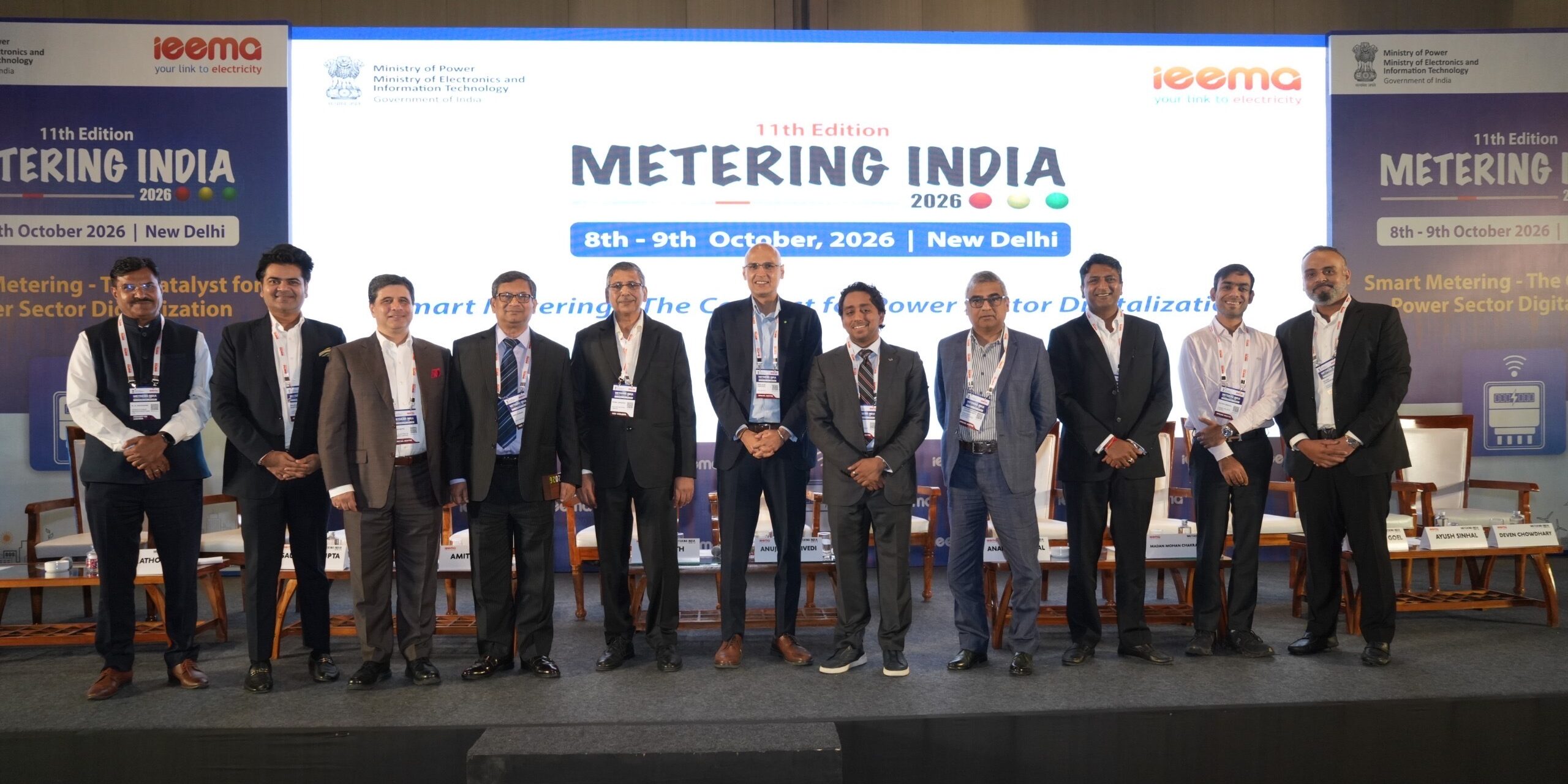
Kimbal Participates in Metering India 2026, Highlighting the Need to Strengthen India’s Smart Metering Ecosystem
Published on 13 October 2026




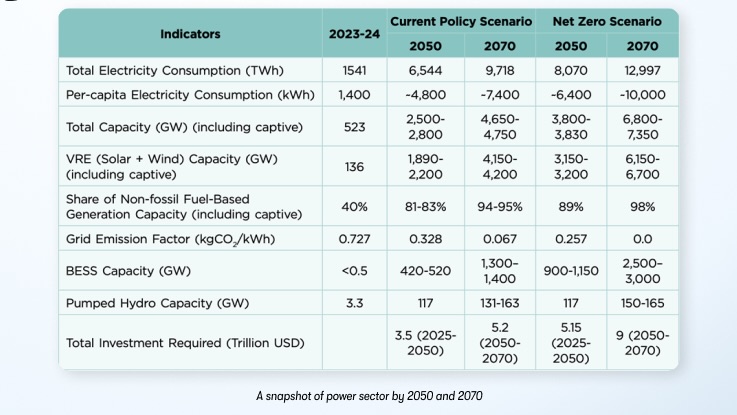
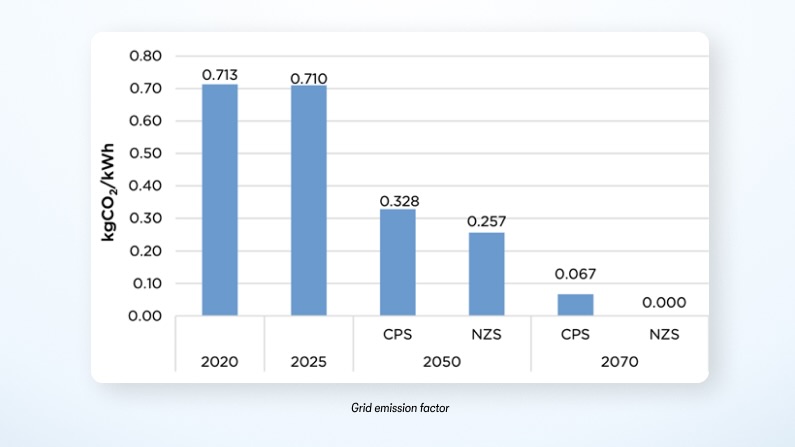
India’s electricity system is standing at the edge of a once-in-a-century transformation. Right now, our grid runs on about 523 gigawatts of installed capacity — enough to power homes, factories, transport networks, and a growing digital economy. But meeting India’s development dreams and its net-zero emissions goal by 2070 will require something much bigger: a complete reinvention of how we generate, store, and use electricity.
According to long-term projections by NITI Aayog, the India of the future could be powered by a multi-terawatt clean energy system — one that’s dominated by renewable power, backed by large-scale storage, and managed through smart, digital grids.
This isn’t just an upgrade. It’s a rebuild — one that will reshape the foundation of India’s economy and everyday life.
Transitioning to a net-zero electricity system won’t come cheap — it’s expected to take more than $14 trillion in investment by 2070. But that money won’t just go into solar farms or wind turbines. It will fund stronger transmission lines, powerful storage systems, modern control software, and a nationwide digital grid capable of juggling electricity flows as never before.
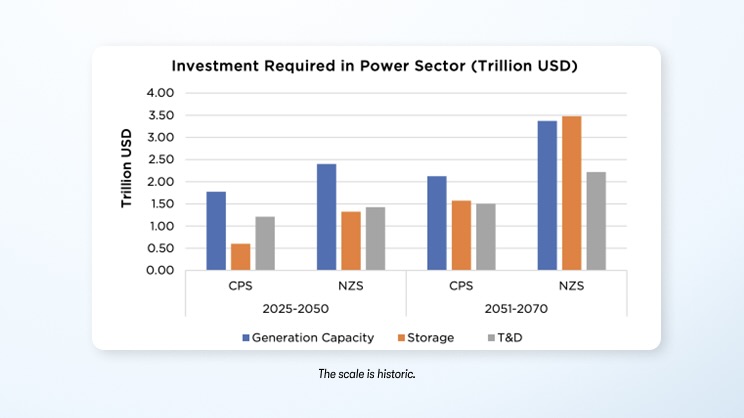
In many ways, this will be India’s biggest infrastructure challenge yet — but also one of its biggest opportunities for growth.
There’s a common fear that reducing emissions might slow down economic growth. India’s long-term models suggest the opposite. The country’s GDP could grow nearly eightfold by 2070 — while the electricity sector heads toward net zero.
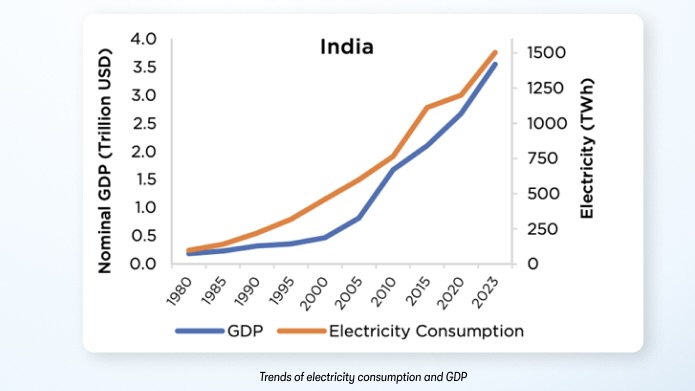
That’s because as India electrifies, electricity itself becomes the fuel for development. Cars, trains, and factories shift from fossil fuels to clean power. Homes get smarter and more efficient. Data centers, hydrogen plants, and entire cities run on renewable energy. Electricity becomes the engine of a cleaner, faster-growing economy.
Today, only about one-fifth of India’s total energy use comes from electricity. By 2070, that could triple to nearly 60%.
That future means more electric vehicles on the roads, heating and cooling systems in every home, factories running on green hydrogen, and smarter buildings that make the most of every watt. Even industries that can’t electrify directly will depend on electricity indirectly — for instance, through hydrogen made from renewable power.
In short, electricity will become the backbone of India’s energy system and daily life.
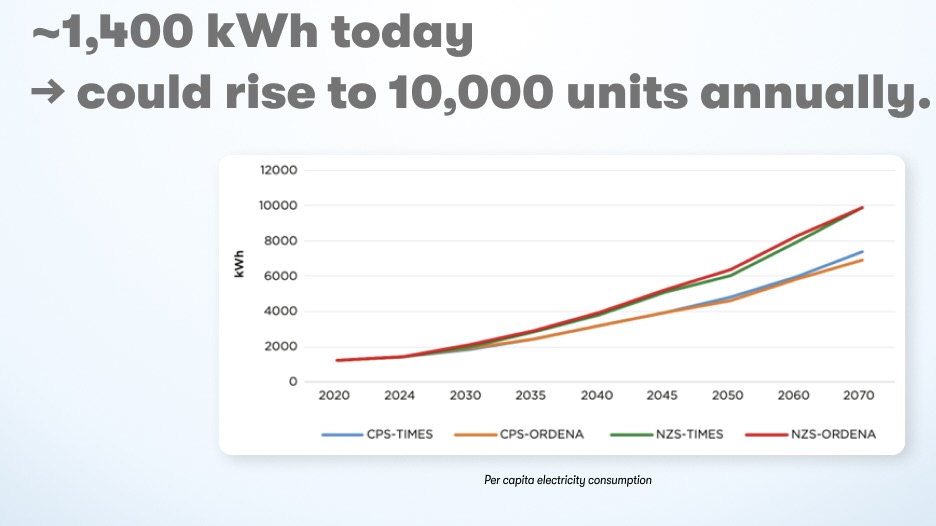
As wealth rises, so does energy use. India’s per-person electricity consumption today is around 1,400 units per year. By 2070, it could reach nearly 10,000 units.
That growth will come from more than just a larger population — it will come from:
In developing economies, electricity demand is a clear marker of prosperity — and India’s future will be no different.
India’s clean energy journey is already well underway. Non-fossil sources now make up about half of the national power capacity. By 2070, that share could climb to over 90%.
The next-generation grid will look nothing like today’s. Solar and wind energy will form its beating heart, with support from nuclear, hydro, and large-scale energy storage.
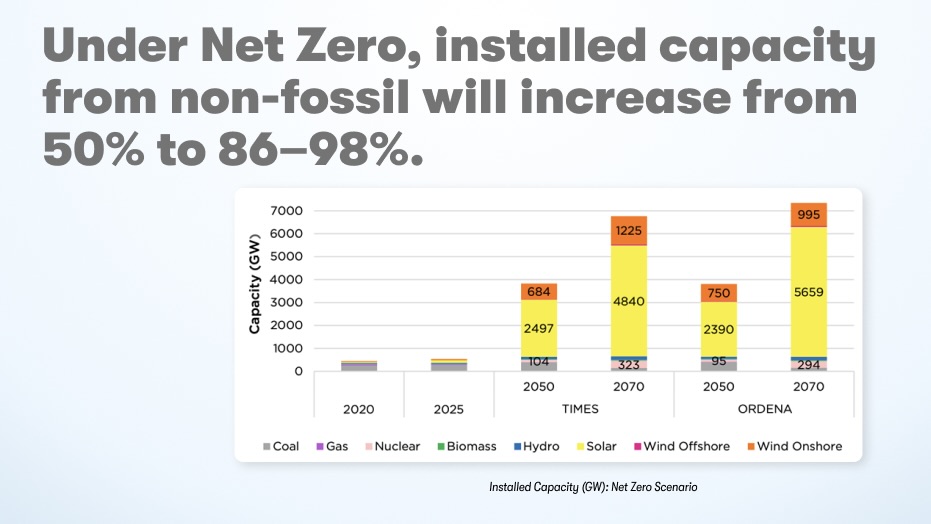
Solar power is set to become the star of India’s clean energy story. From about 100 GW today, it could skyrocket to 5,500 GW by 2070 — almost the size of today’s entire global solar fleet.
Why solar? Because it’s cheap, abundant, and quick to build. With India’s vast sunshine and plummeting technology costs, solar will likely become the core of our future electricity supply.
Complementing solar, wind energy will help balance the system. India’s wind capacity could expand from 50 GW today to over 1,000 GW by 2070.
Wind is strongest in the evenings and monsoon months — exactly when solar dips — making it the natural partner for a stable renewable grid. Offshore wind projects could also unlock vast potential along India’s 7,500 km coastline.
While solar and wind depend on the weather, nuclear energy offers steady, 24/7 power. India’s nuclear capacity — currently about 9 GW — could grow to over 300 GW by 2070.
Newer technologies like Small Modular Reactors (SMRs) might make it easier to deploy nuclear safely and efficiently across the country.
Coal will still matter in the near future — but less so each decade. Its capacity is expected to peak in the 2040s before gradually declining. Instead of running full-time, coal plants will operate mainly as backup during high-demand periods, keeping the lights on while renewables take centre stage.
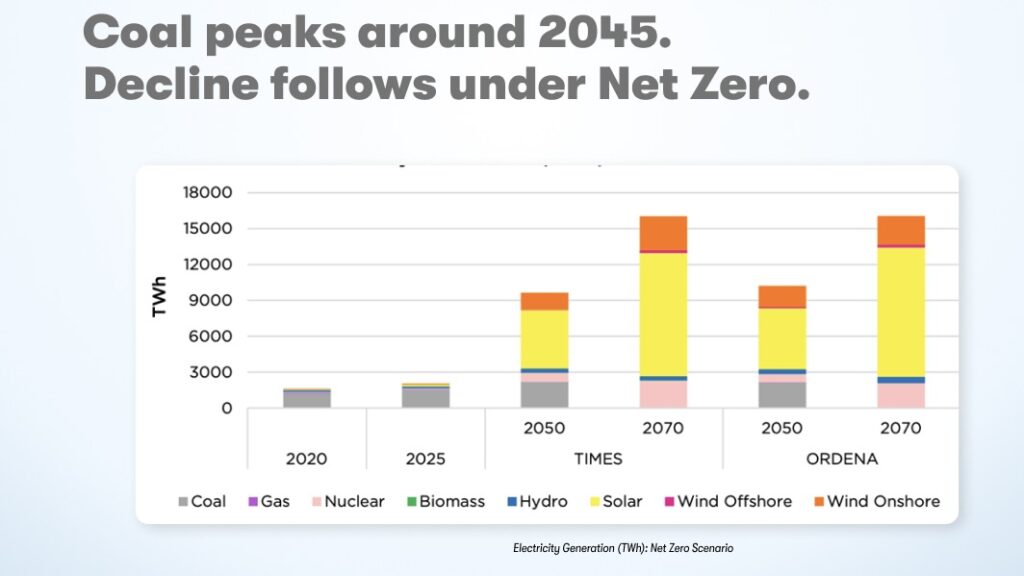
As renewables grow, energy storage becomes essential. By 2070, India could have 3,000 GW of storage capacity — including massive battery farms and pumped hydro systems.
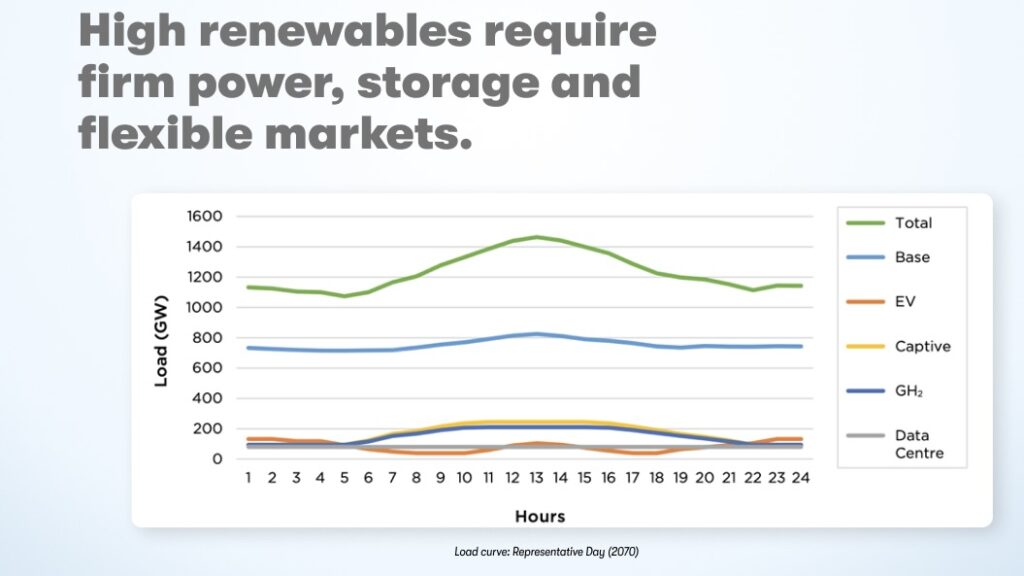
Storage will ensure that when solar panels flood the grid with power at noon, that energy doesn’t go to waste — it’s stored for when the sun sets or demand spikes.
Tomorrow’s electricity network will be both larger and smarter.
Smart meters will give consumers real-time control over energy use and alert utilities instantly to faults or surges. Time-of-day pricing will encourage more efficient energy habits.
Behind the scenes, advanced digital grids will coordinate millions of energy sources — from rooftop panels to battery banks — keeping everything balanced and reliable.
Industries like steel, cement, and long-distance transport can’t run directly on electricity yet. But they can switch to green hydrogen, created from renewable power.
In that way, electricity will still drive industrial decarbonisation — just indirectly.
This transition isn’t just green — it’s strategic. Building homegrown industries for solar modules, batteries, electrolysers, and grid components could create millions of jobs and secure India’s energy independence.
The energy transition, then, isn’t just about emissions. It’s about industrial leadership in the technologies of the future.
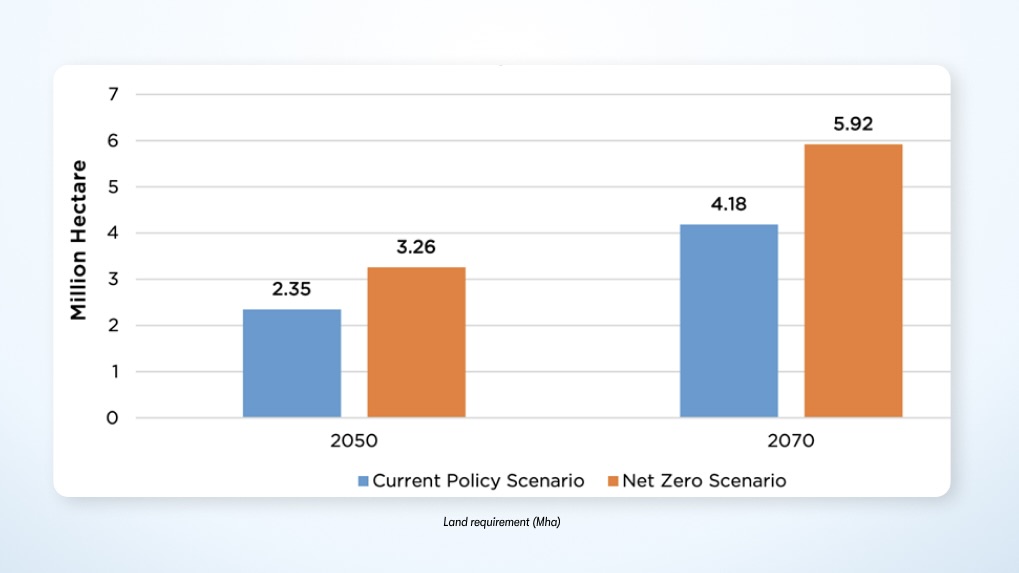
Even with 5,500 GW of solar power, the total land needed could use only about 12% of India’s existing wasteland — a manageable footprint.
Meanwhile, as coal plants decline, water consumption will also fall sharply, improving national water security over time.
Technology can’t do everything. Changing how we use energy matters too. Initiatives like Mission LiFE (Lifestyle for Environment) encourage citizens to adopt smarter, more sustainable habits — using efficient appliances, cutting waste, and choosing greener options.
Small individual actions can together make a huge difference — easing pressure on the grid and reducing the need for new infrastructure.
India’s journey to a net-zero electricity system by 2070 will be one of the most ambitious transformations in history. It will demand new technologies, massive investments, and unwavering coordination across government, industry, and citizens.
But if we succeed, India could run one of the largest and cleanest power systems in the world — lighting up a developed, sustainable, and electrified Bharat.
The future grid won’t just power our economy. It will power our progress.
1. What does India’s Net Zero 2070 target mean?
India aims to balance its greenhouse gas emissions with carbon removal by 2070, effectively reducing net emissions to zero.
2. How much electricity could India consume by 2070?
Per capita electricity consumption could increase from about 1,400 kWh today to nearly 10,000 kWh annually, reflecting economic growth and electrification.
3. Why will renewable energy dominate India’s power system?
Solar and wind technologies have become significantly cheaper and faster to deploy, making them the most scalable options for large-scale electricity generation.
4. Why is energy storage important in renewable grids?
Energy storage helps store electricity when renewable generation is high and release it when demand increases, ensuring reliable power supply.
5. What role will nuclear power play in India’s future energy system?
Nuclear energy provides stable, low-carbon electricity that can support renewable generation and maintain grid reliability.
6. How will India’s electricity system change by 2070?
India’s electricity system is expected to become significantly larger, cleaner, and more digital over the next few decades. Installed capacity could grow from about 523 GW today to several terawatts by 2070, with renewable energy dominating the generation mix. Solar and wind power are likely to supply most electricity, supported by nuclear power, hydropower, and large-scale energy storage. At the same time, digital technologies such as smart meters, advanced grid management systems, and real-time data platforms will help utilities manage a much more complex electricity network. In essence, the future grid will be renewable-heavy, data-driven, and far more flexible than today’s system.
7. How much renewable energy will India need to reach net zero?
Long-term projections suggest India may need several thousand gigawatts of renewable capacity by 2070 to support its net-zero ambitions. Solar energy alone could grow to around 5,500 GW, while wind power may exceed 1,000 GW. Together, these resources will likely form the backbone of India’s electricity supply.
This massive expansion is necessary because renewable energy will not only power homes and businesses but will also support electric vehicles, hydrogen production, and electrified industrial processes.
8. Why will electricity demand increase in India?
Electricity demand in India is expected to rise significantly as the economy grows and more sectors shift toward electrification. Several factors are likely to drive this increase:
As a result, per capita electricity consumption could rise from around 1,400 units today to nearly 10,000 units annually by 2070.
9. What role will energy storage play in India’s energy transition?
Energy storage will become a critical component of India’s future electricity system. Solar and wind power generate electricity depending on weather conditions, which means supply does not always match demand. Storage technologies help bridge this gap by saving excess electricity when generation is high and releasing it when demand rises.
By 2070, India’s storage capacity could reach around 3,000 GW, supported by technologies such as battery energy storage systems and pumped hydro storage. These systems will help maintain reliability in a renewable-heavy grid.
10. Will India phase out coal to achieve net zero?
Coal is expected to remain part of India’s electricity system in the near and medium term, but its role will gradually decline as renewable energy expands. Under long-term net-zero scenarios, coal capacity may peak around the 2040s, after which it could slowly decrease as cleaner alternatives become more widely available. Instead of disappearing suddenly, coal plants are likely to operate more flexibly, running mainly during periods of high demand or when renewable generation is low.
11. How important is nuclear power for India’s future grid?
Nuclear energy is expected to play an important role in supporting a renewable-heavy power system. Unlike solar and wind, nuclear plants can generate electricity continuously, making them a reliable source of firm, low-carbon power. This helps stabilize the grid when renewable output fluctuates.
Long-term projections suggest India’s nuclear capacity could grow from around 9 GW today to more than 300 GW by 2070, with technologies such as Small Modular Reactors (SMRs) potentially enabling more flexible deployment.
12. What role will smart meters play in India’s energy transition?
Smart meters will be a key building block of a modern electricity system. Unlike traditional meters, smart meters provide real-time data on electricity consumption, enabling utilities and consumers to better understand and manage energy use. They also support new capabilities such as:
As renewable energy grows and electricity demand becomes more dynamic, smart metering will help create a more responsive and efficient power grid.
This article is for anyone interested in how India’s electricity system may evolve over the coming decades, including energy professionals, utility leaders, policymakers, industry stakeholders, and students exploring the country’s path to Net Zero and a cleaner power sector.
Published on 13 October 2026
Published on 7 October 2026

Published on 6 October 2026
Your email address will not be published. Required fields are marked *